Industrial, Manufacturing & Engineering Photographer
 
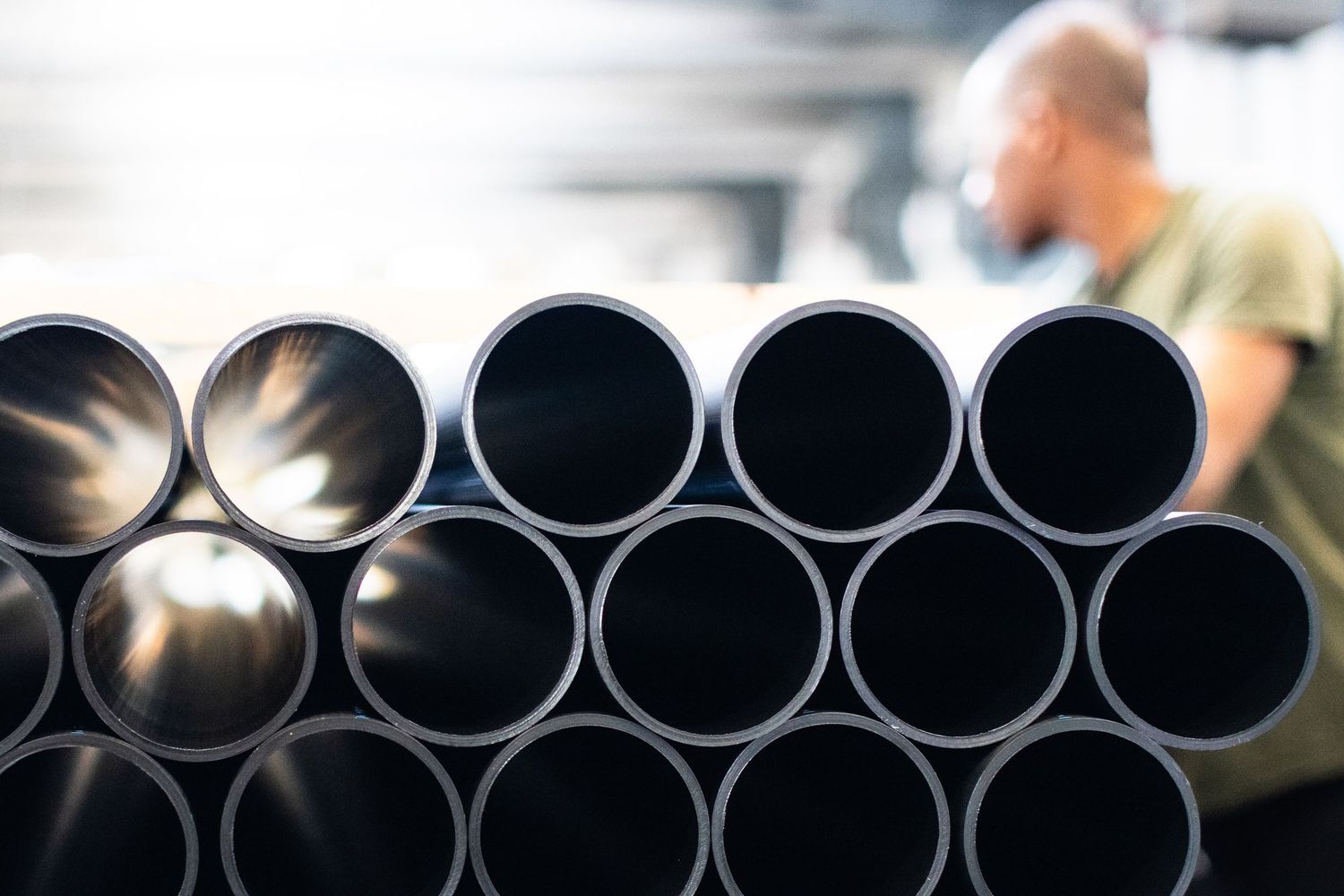
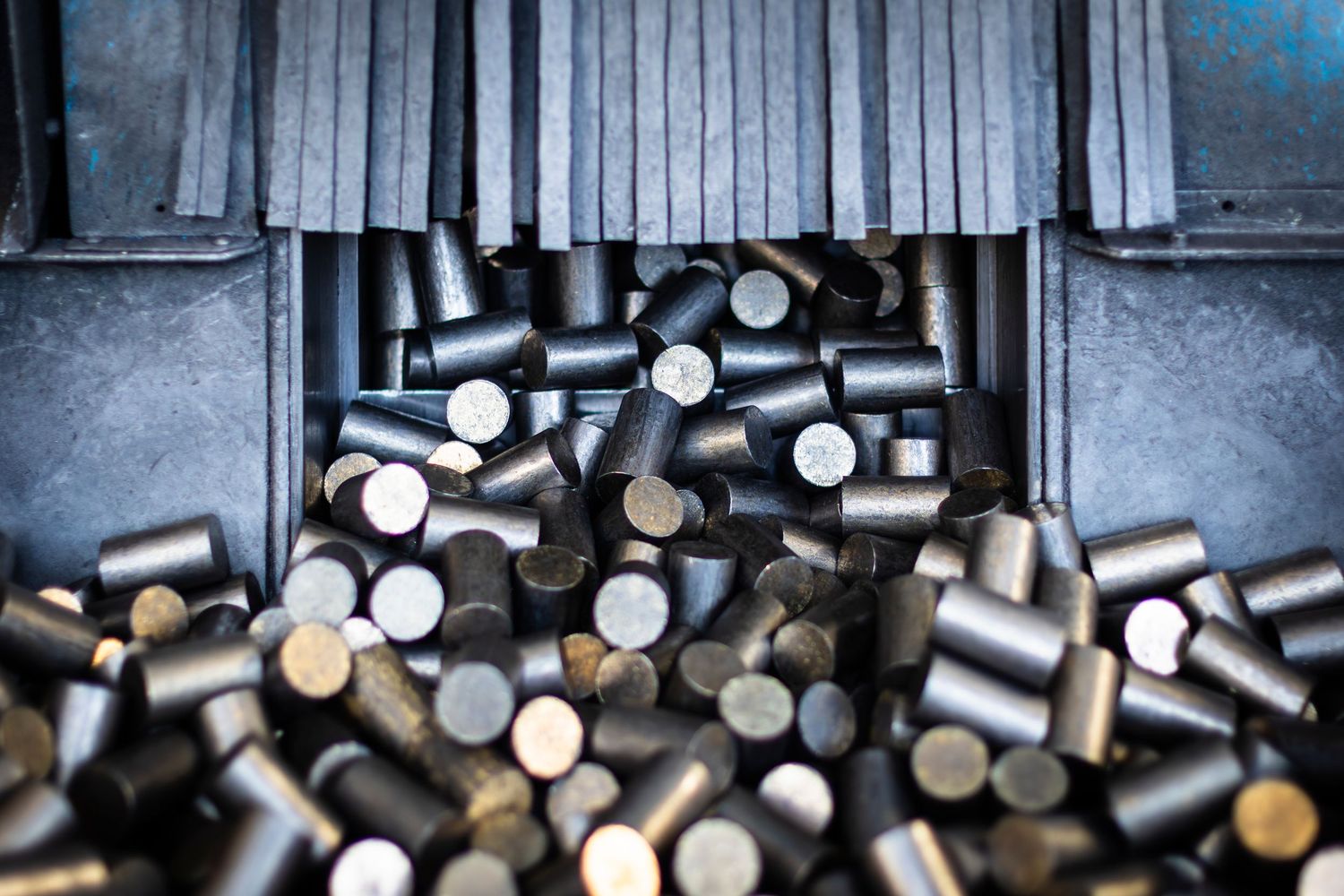
There is extraordinary skill in a well-run factory floor. In the precision of an engineering workshop. In the way an experienced machinist works raw materials. This isn't work where 'close enough' cuts it. Accuracy is critical. Detail is critical. Precision skills calls for photography that does those skills justice.
The skill behind the process.
 
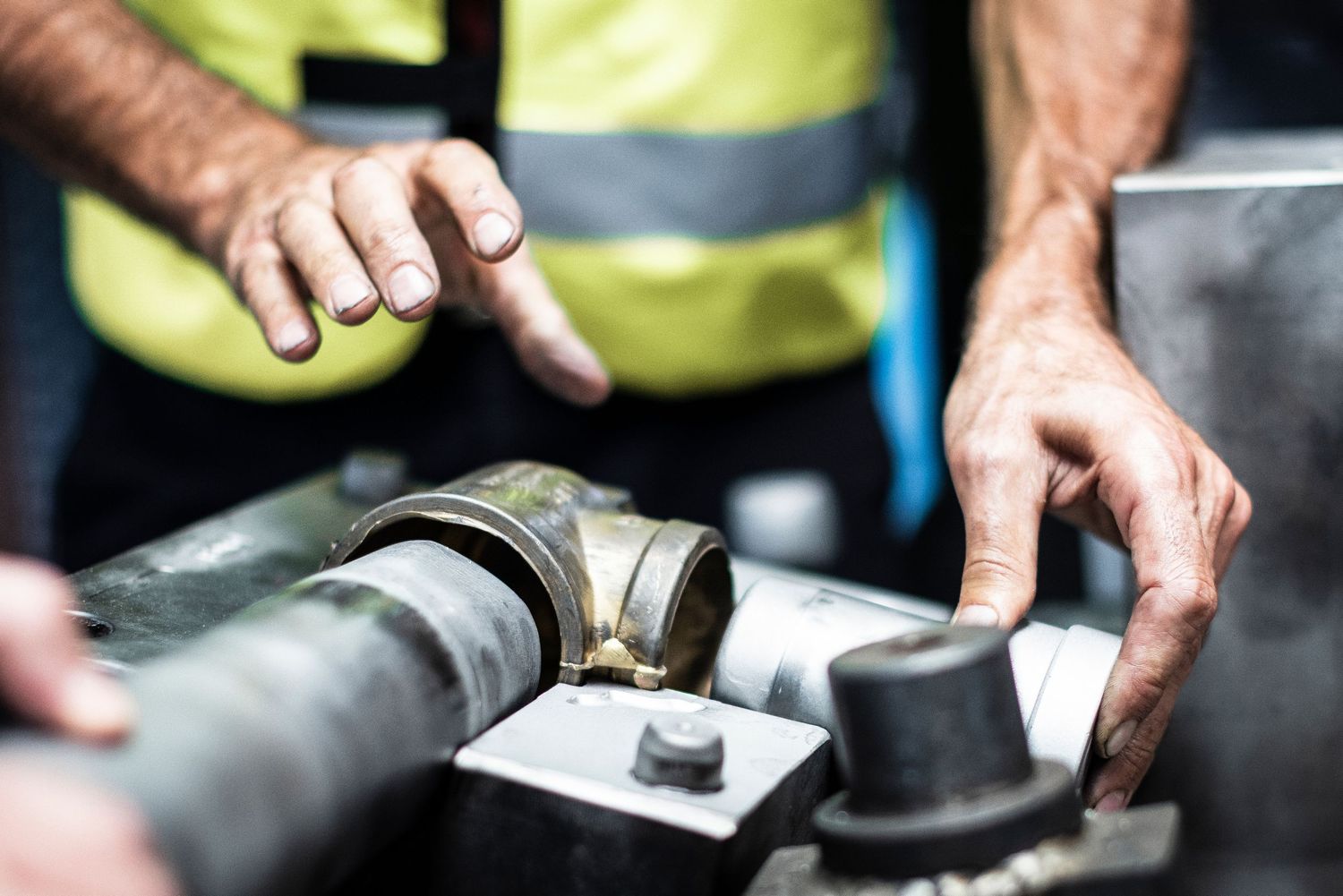
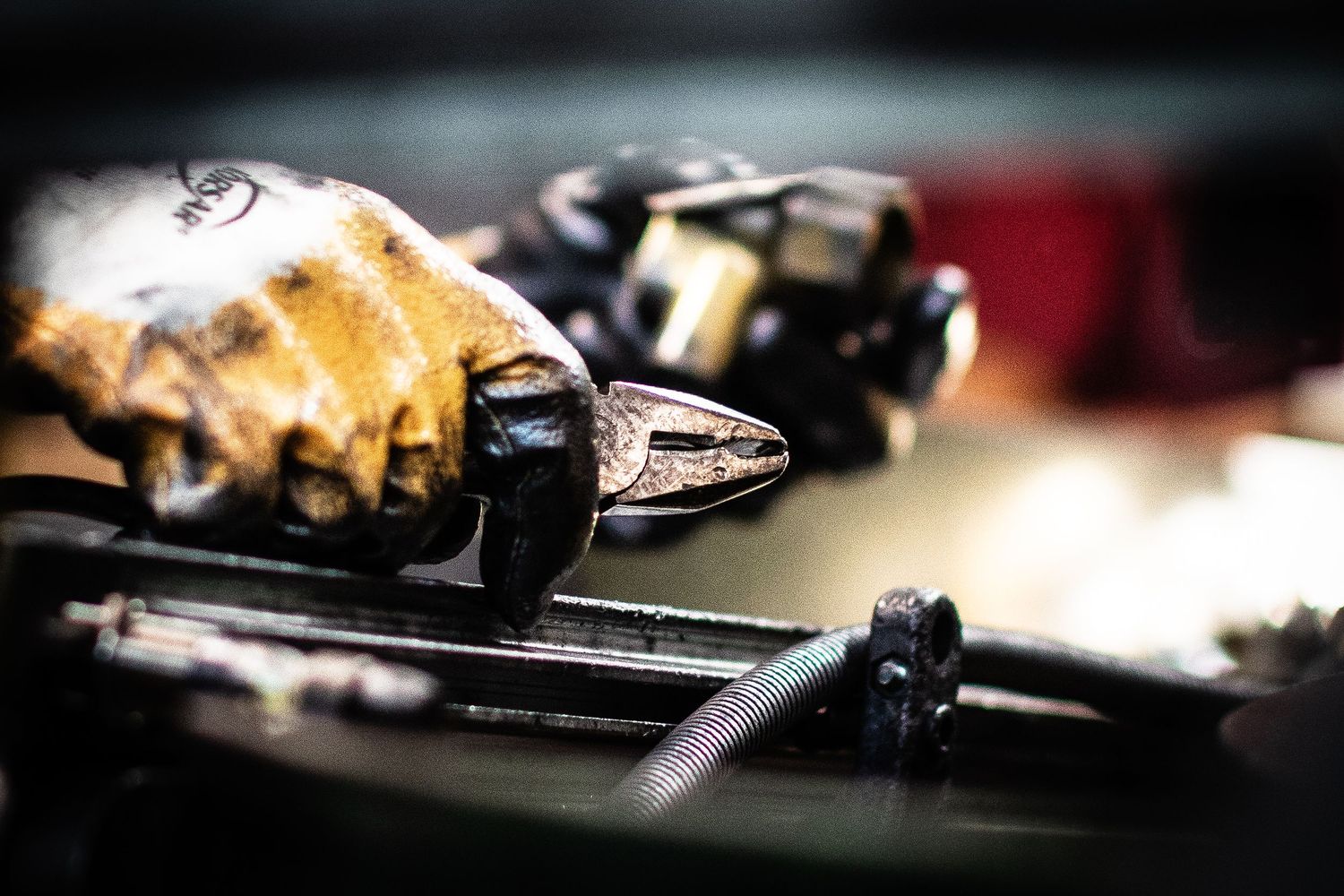
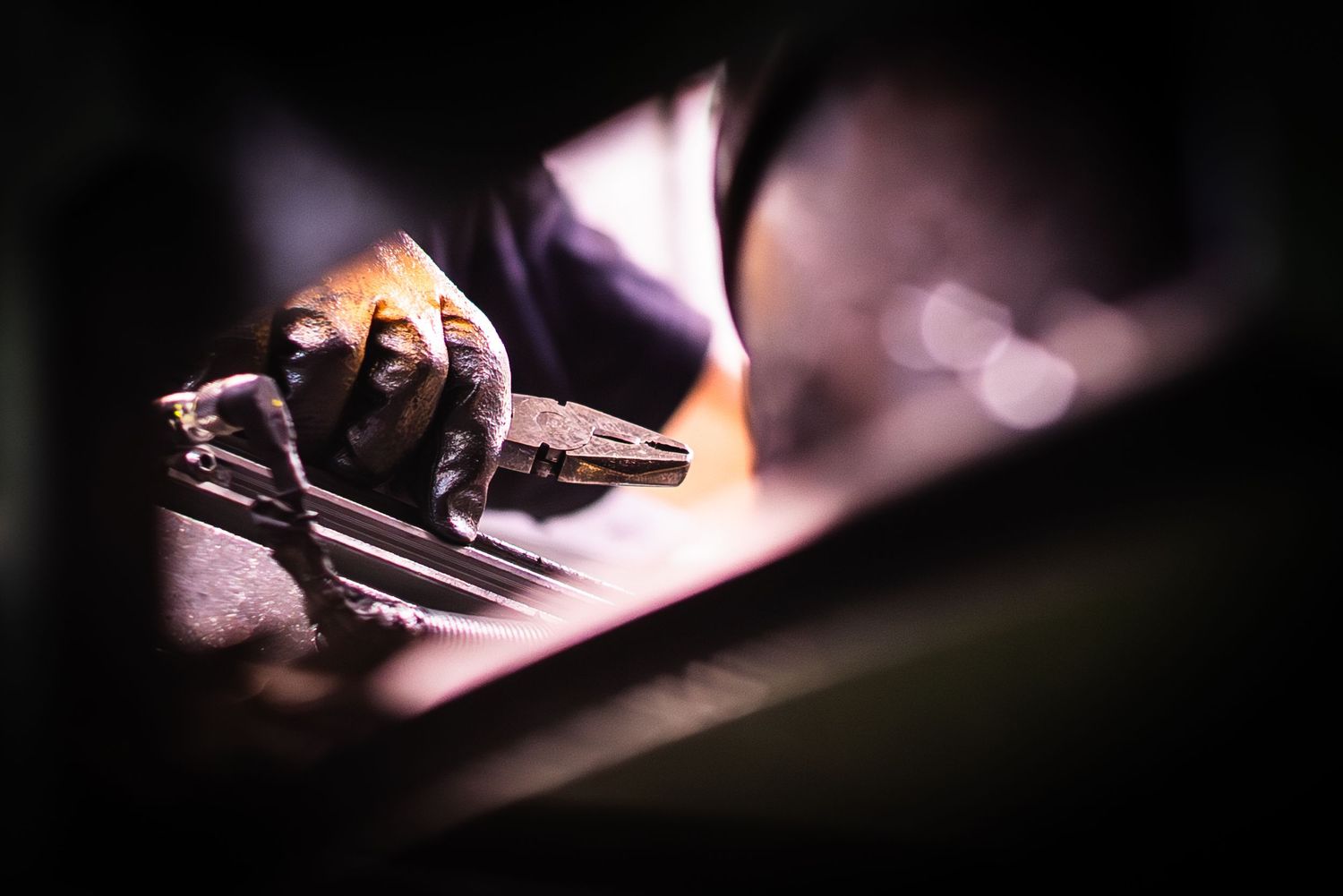
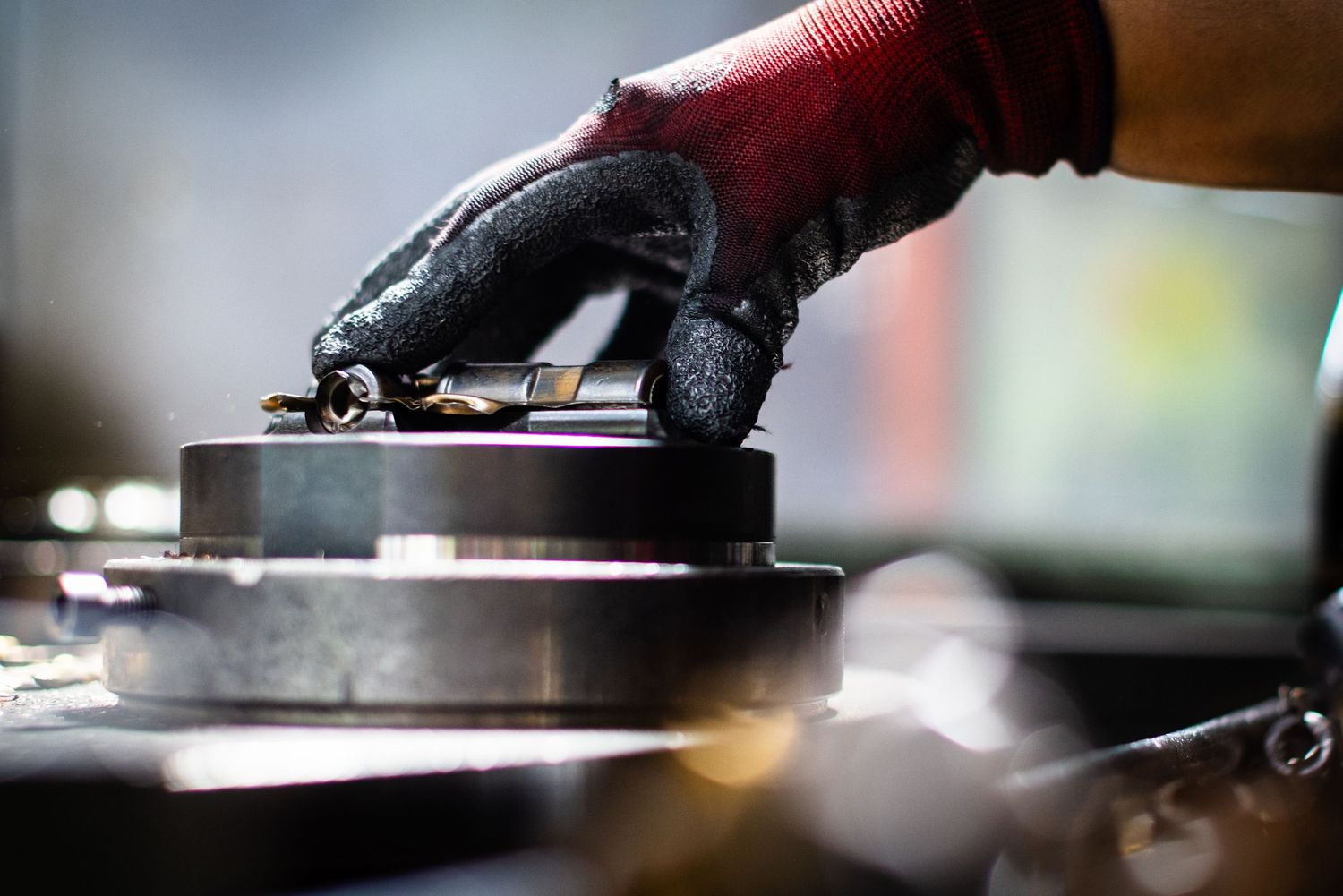
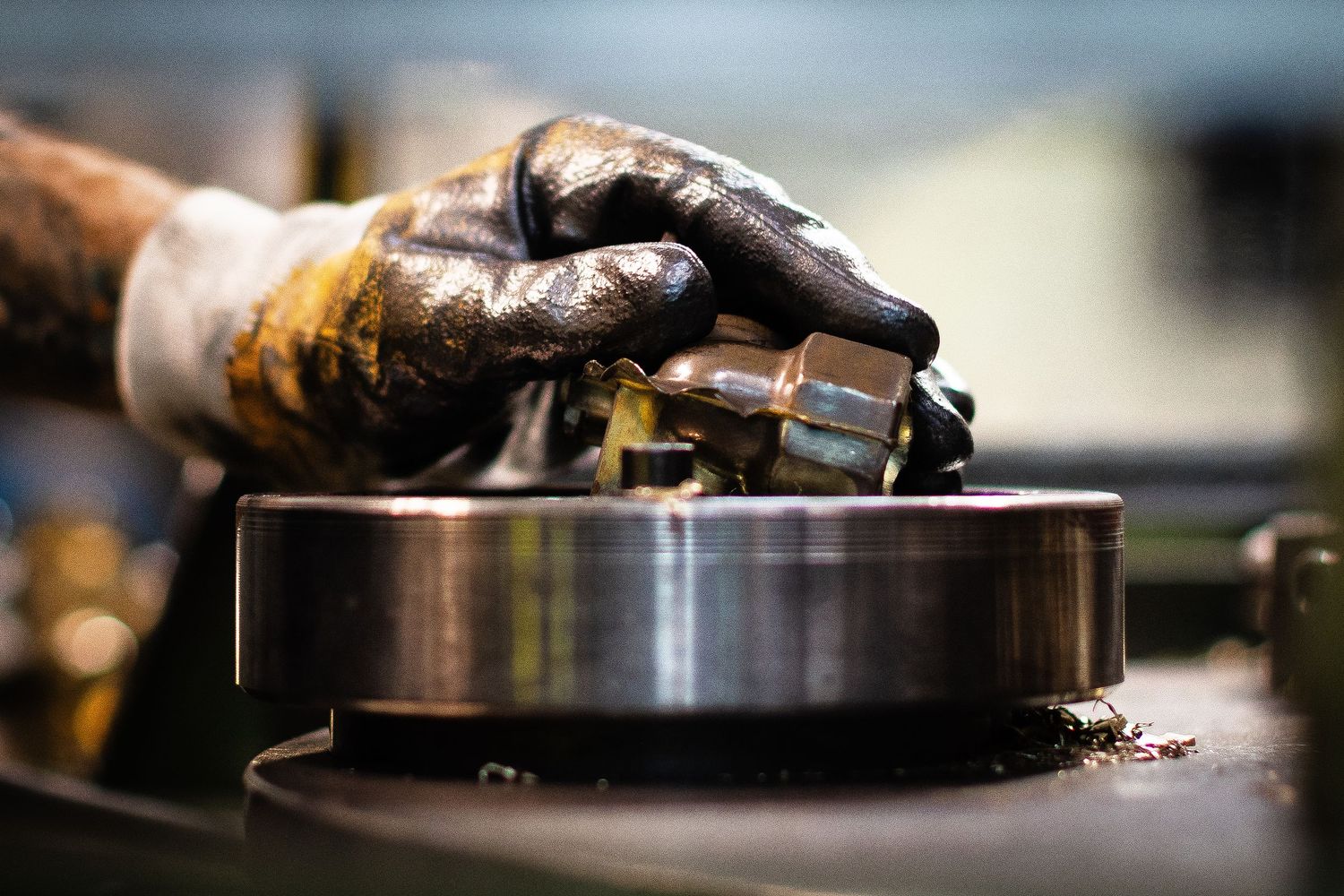
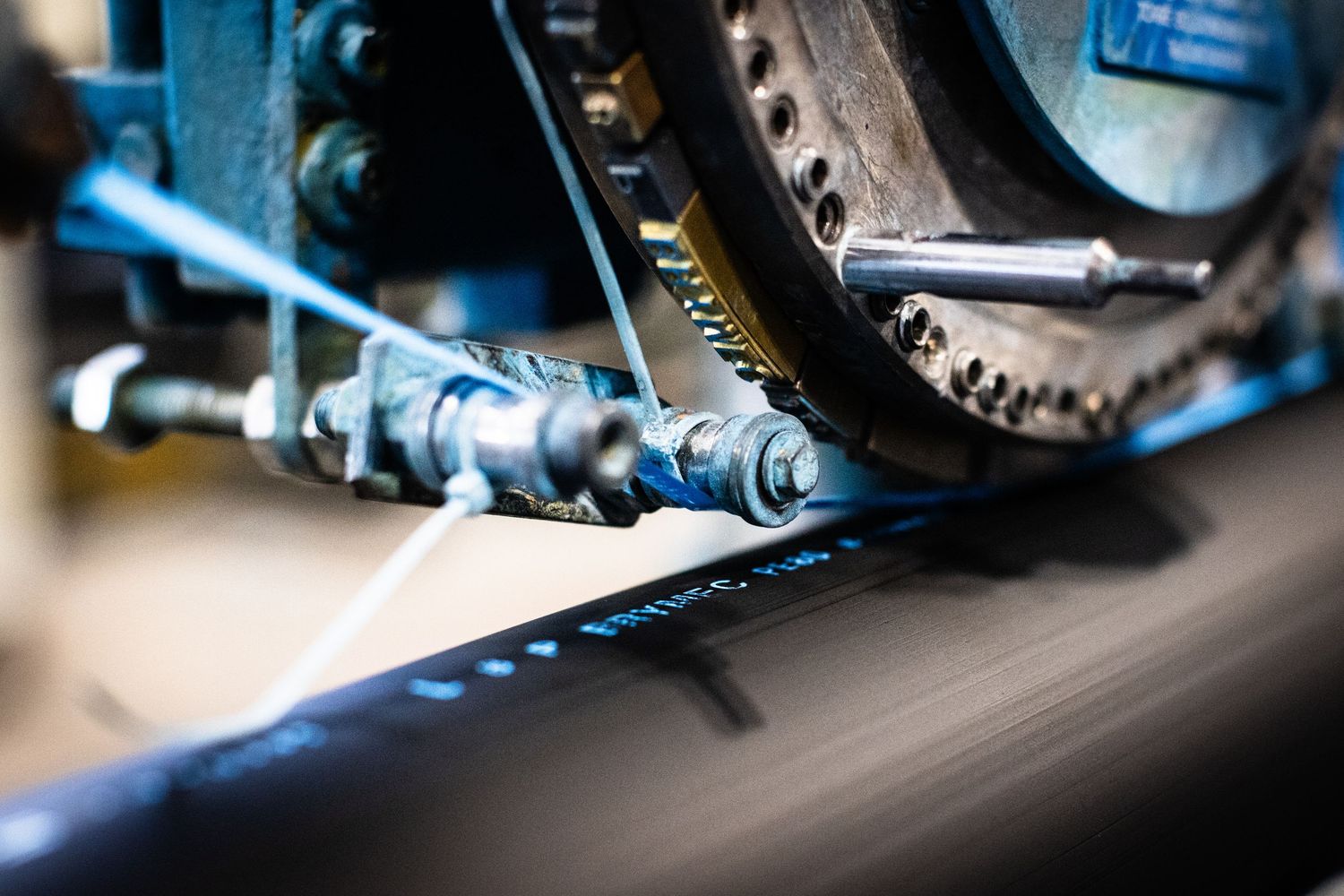
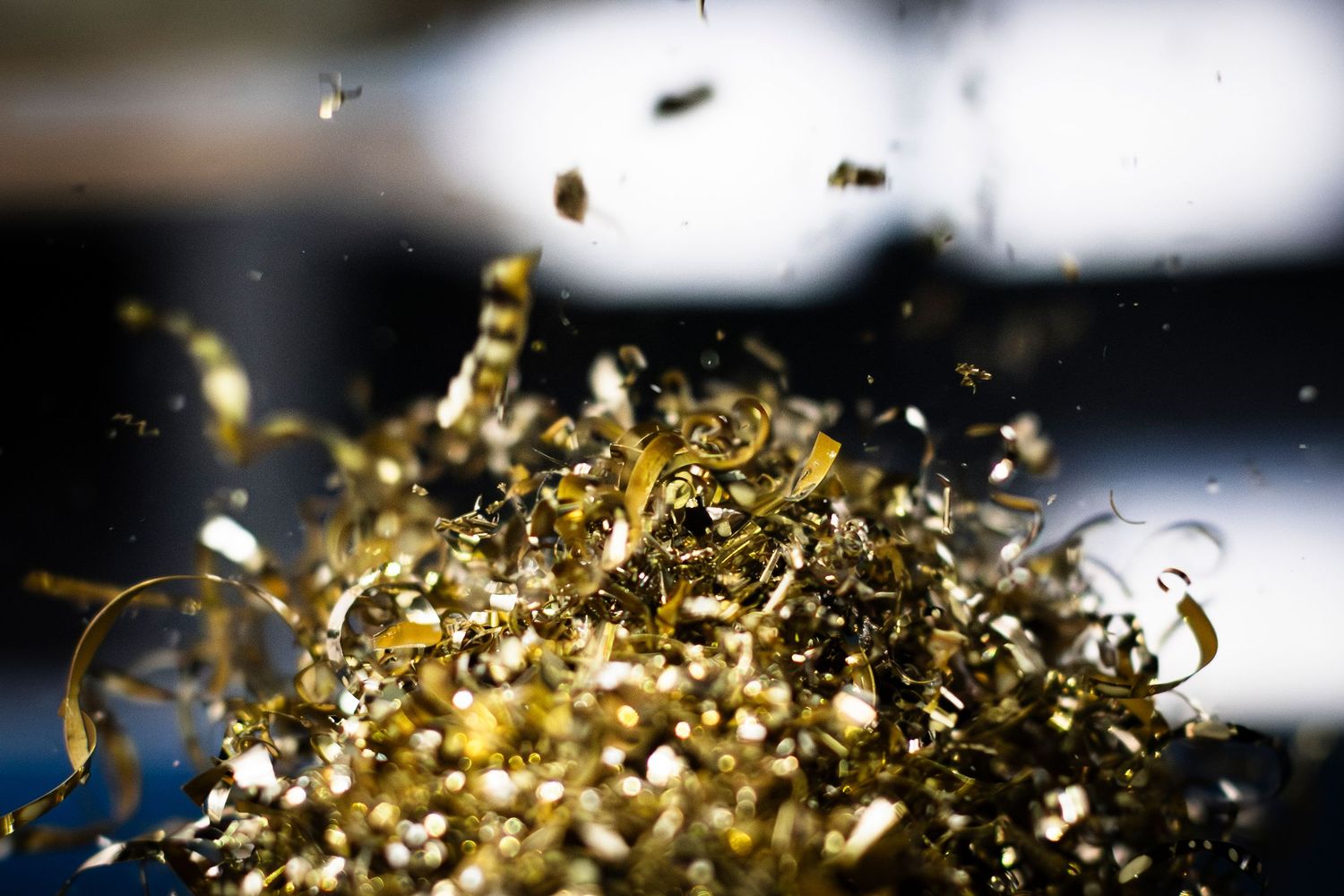
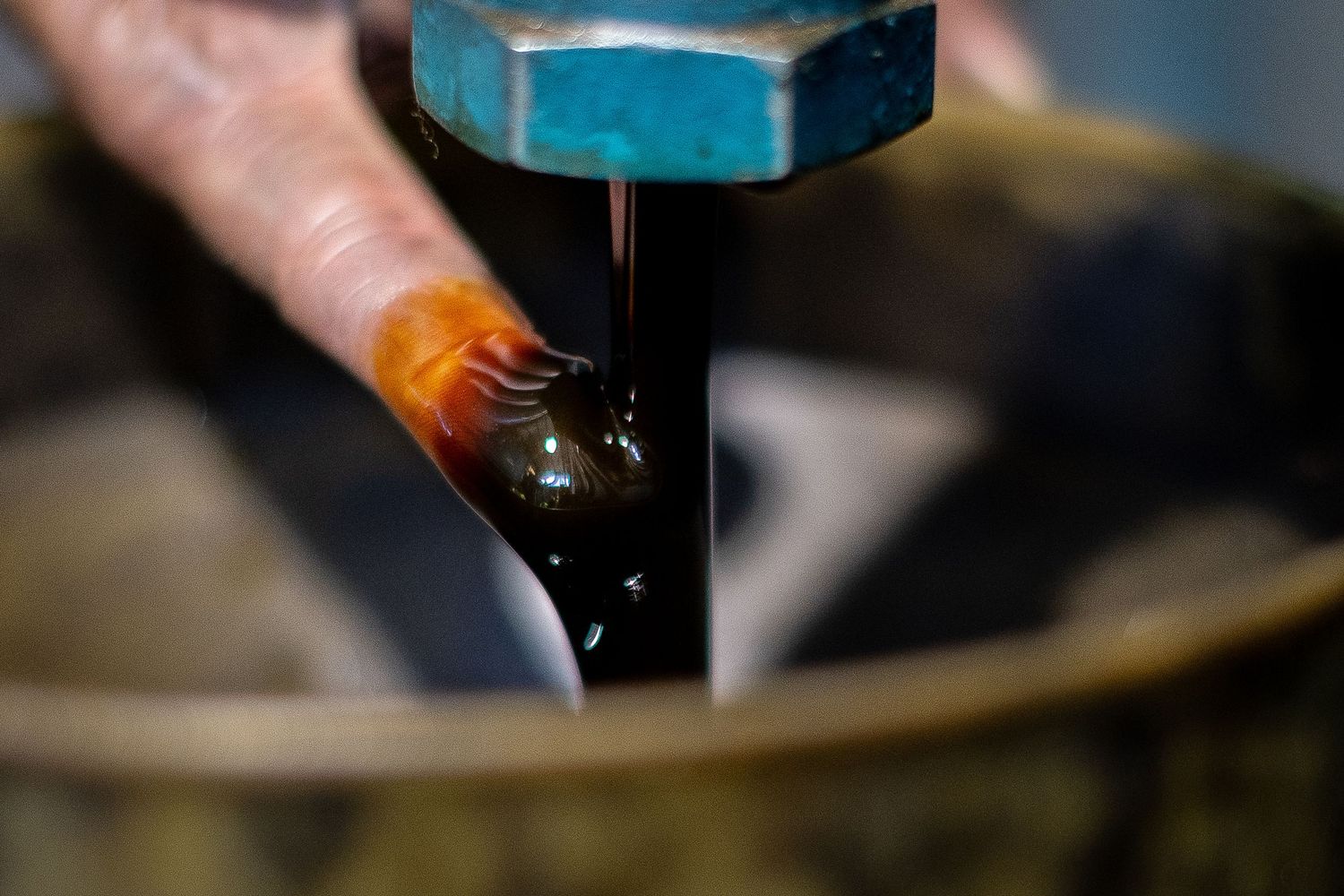
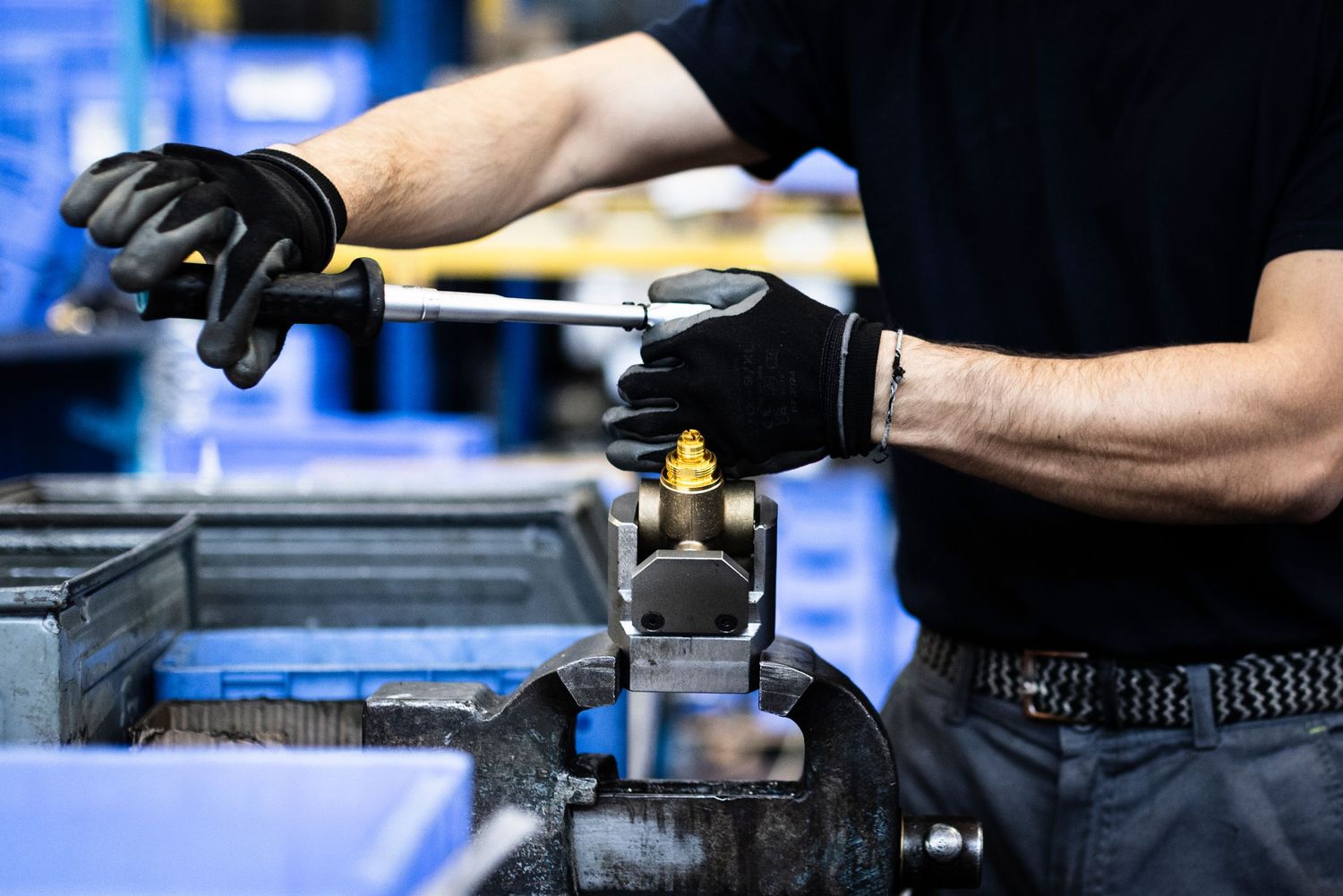
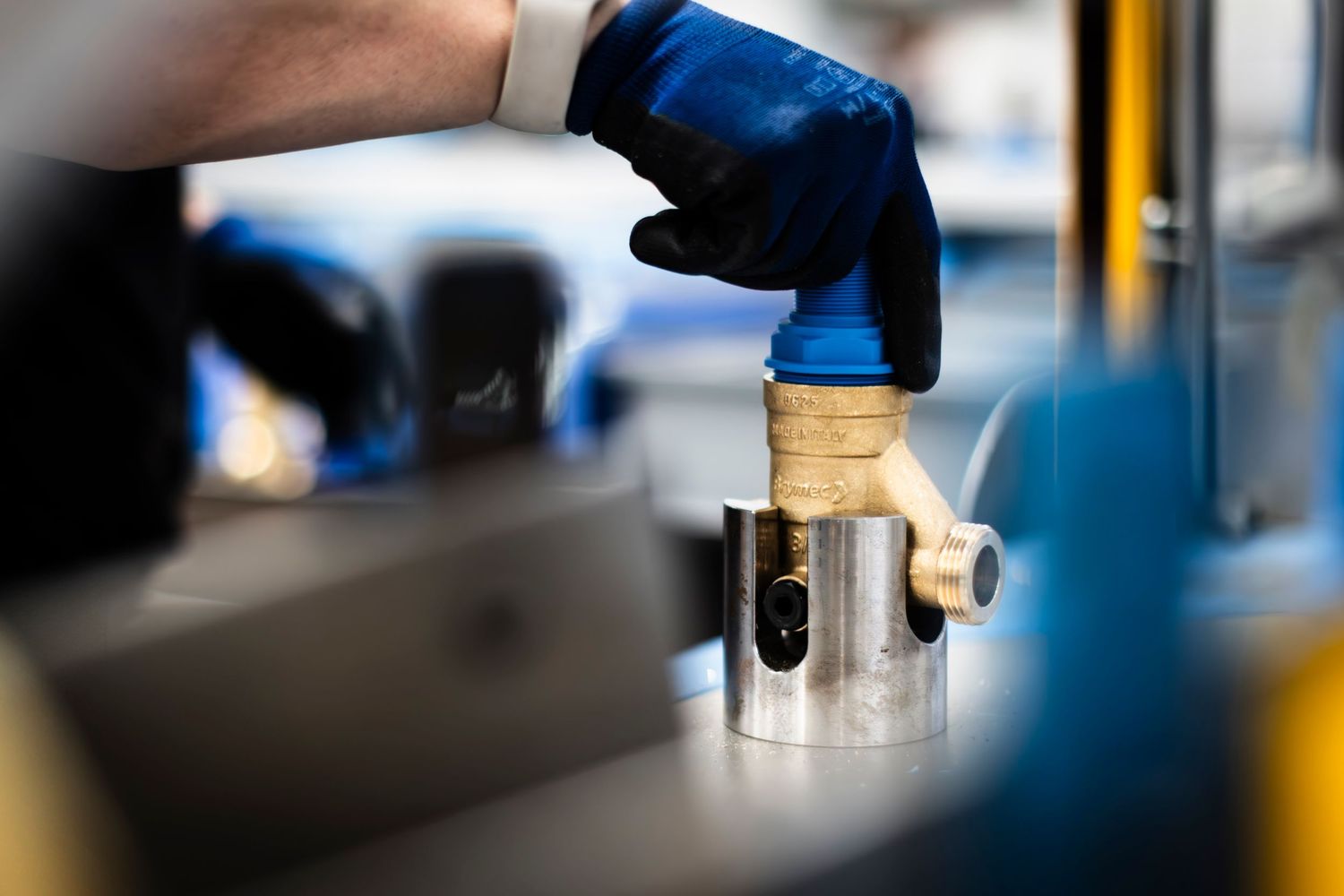
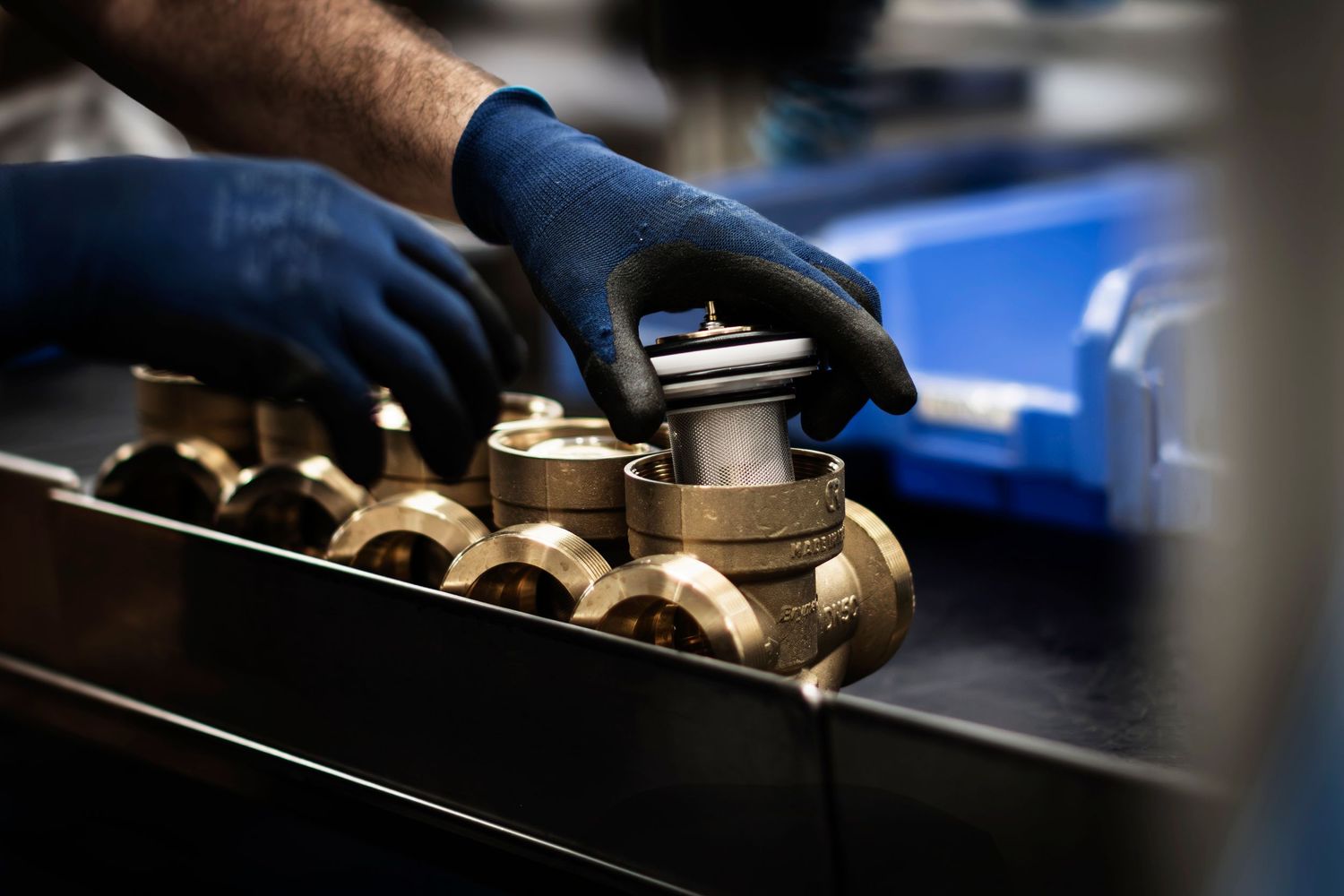
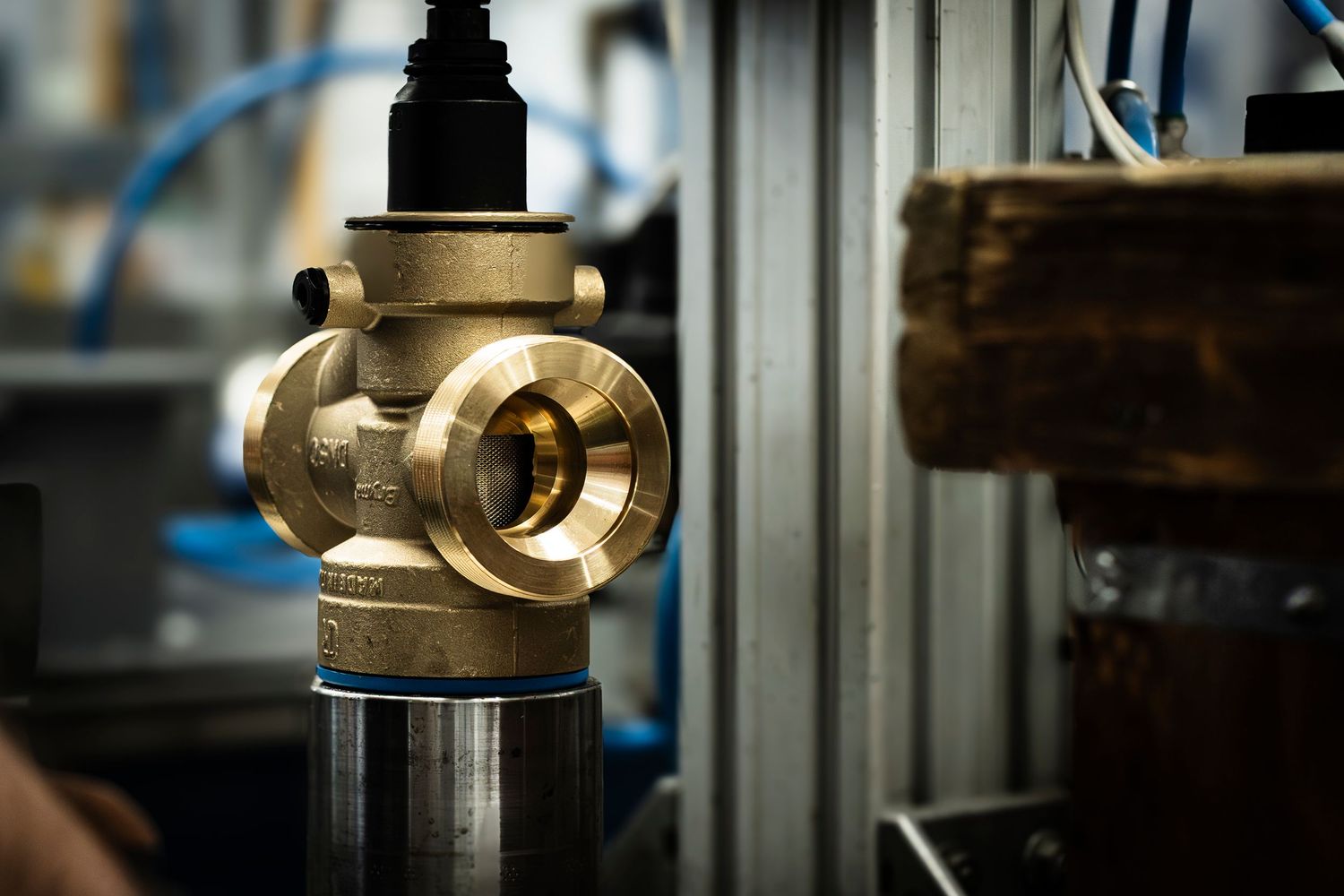
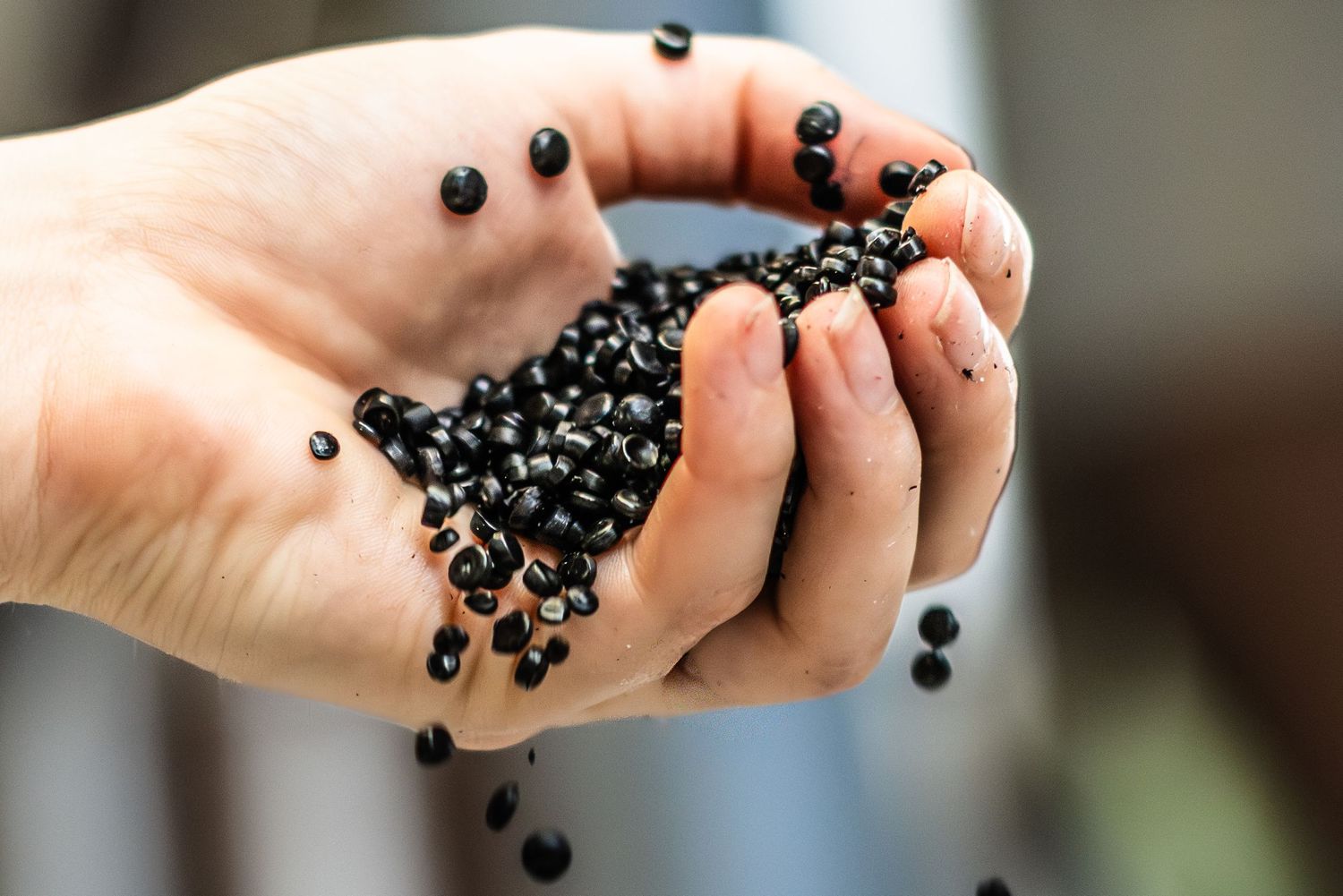
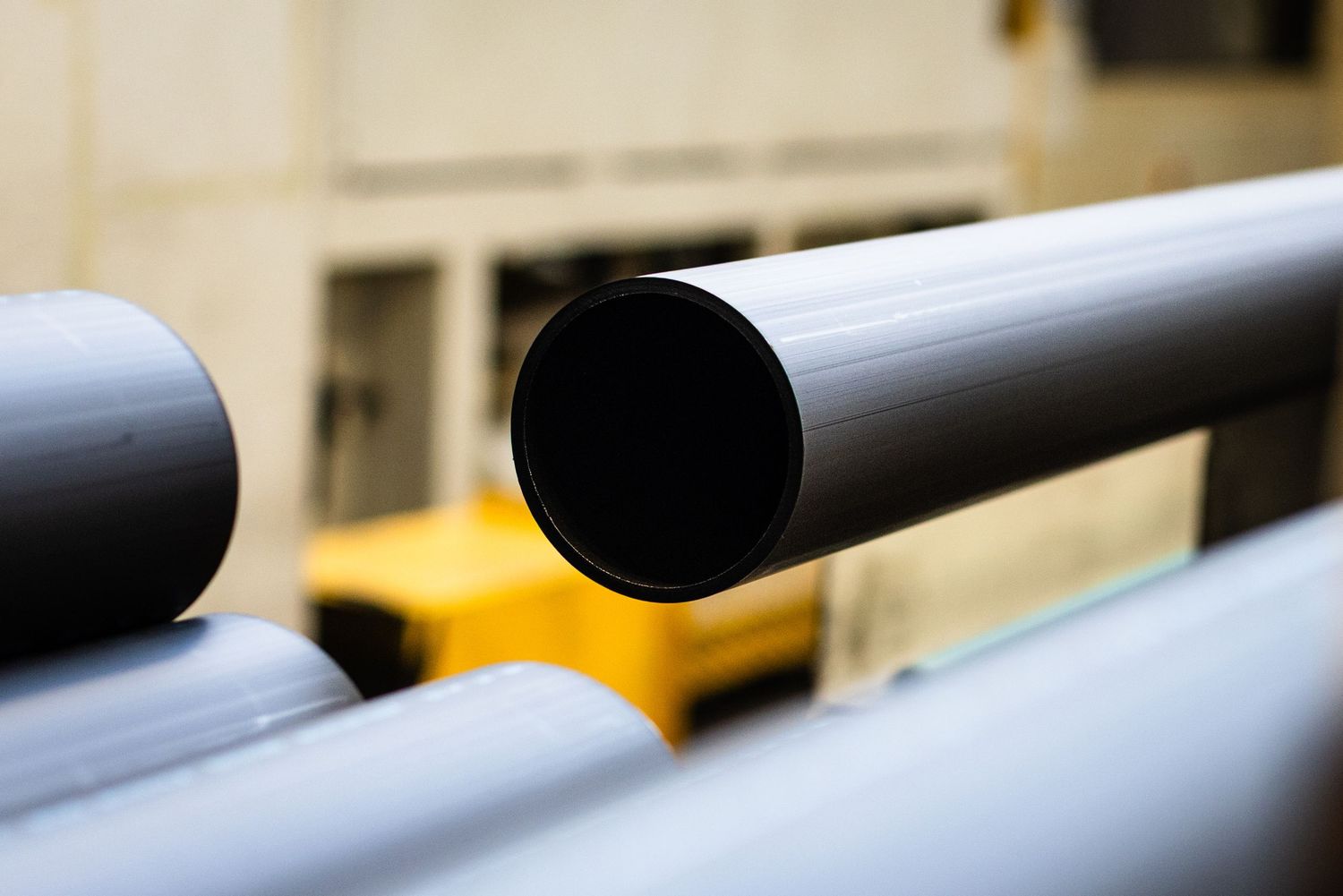
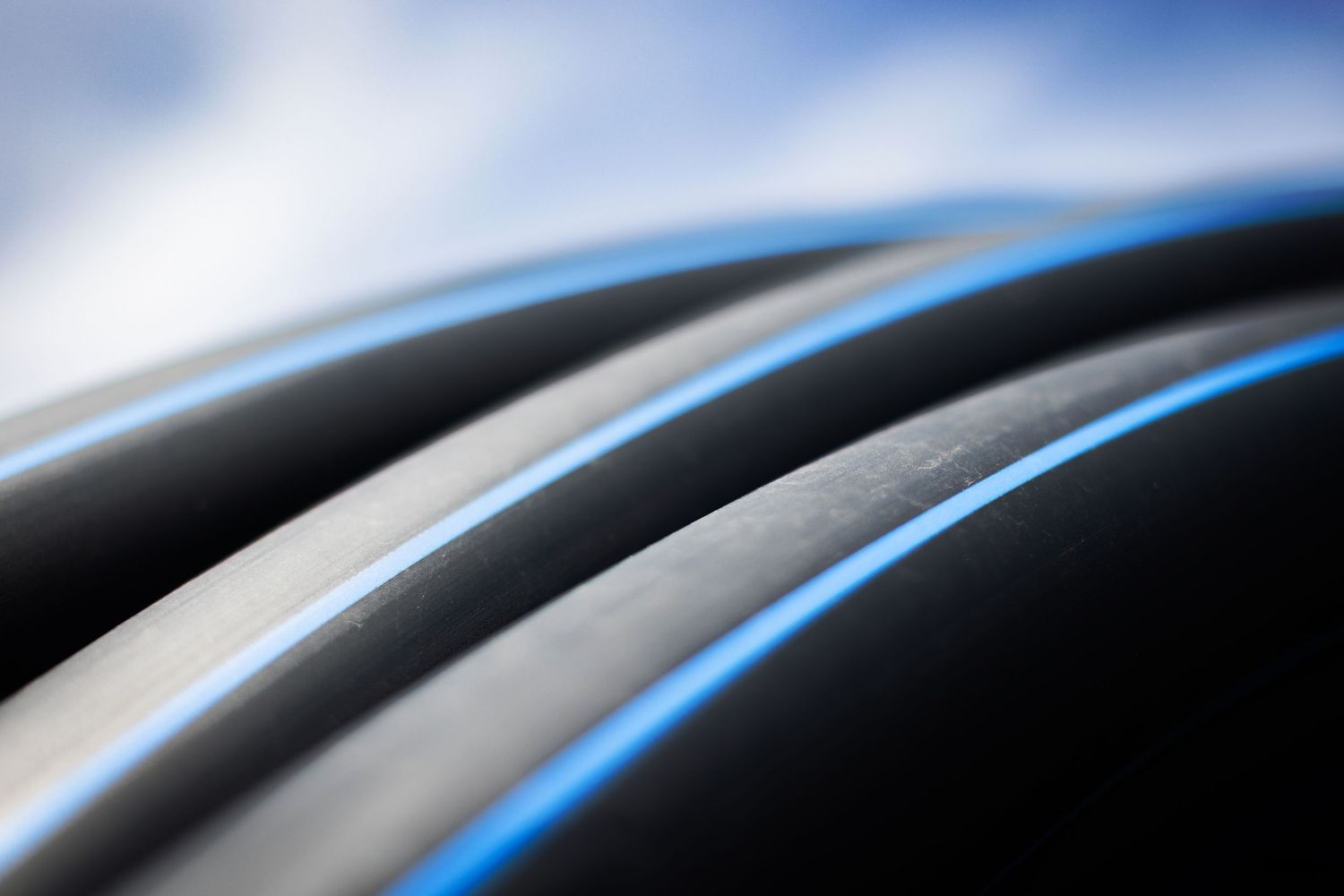
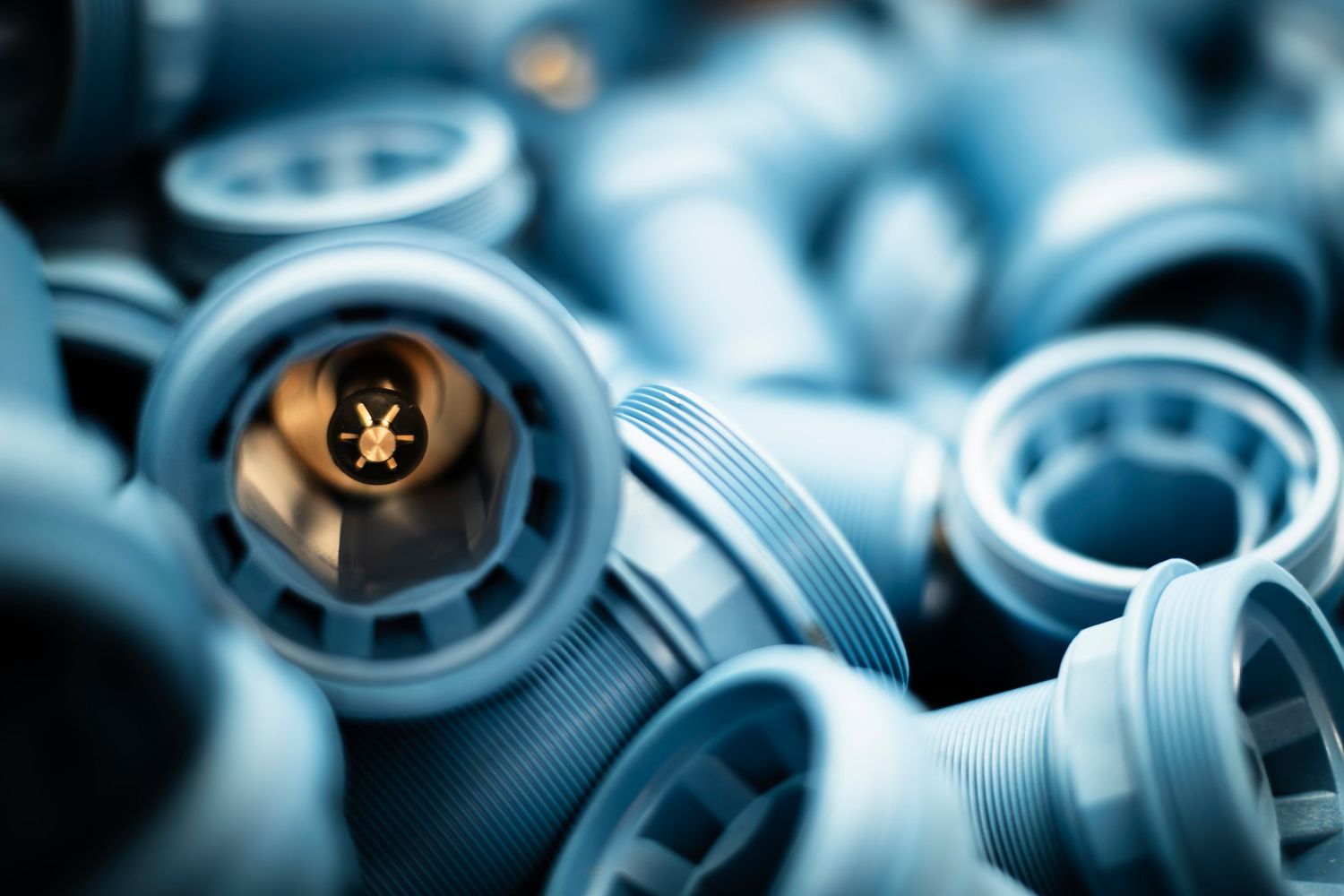
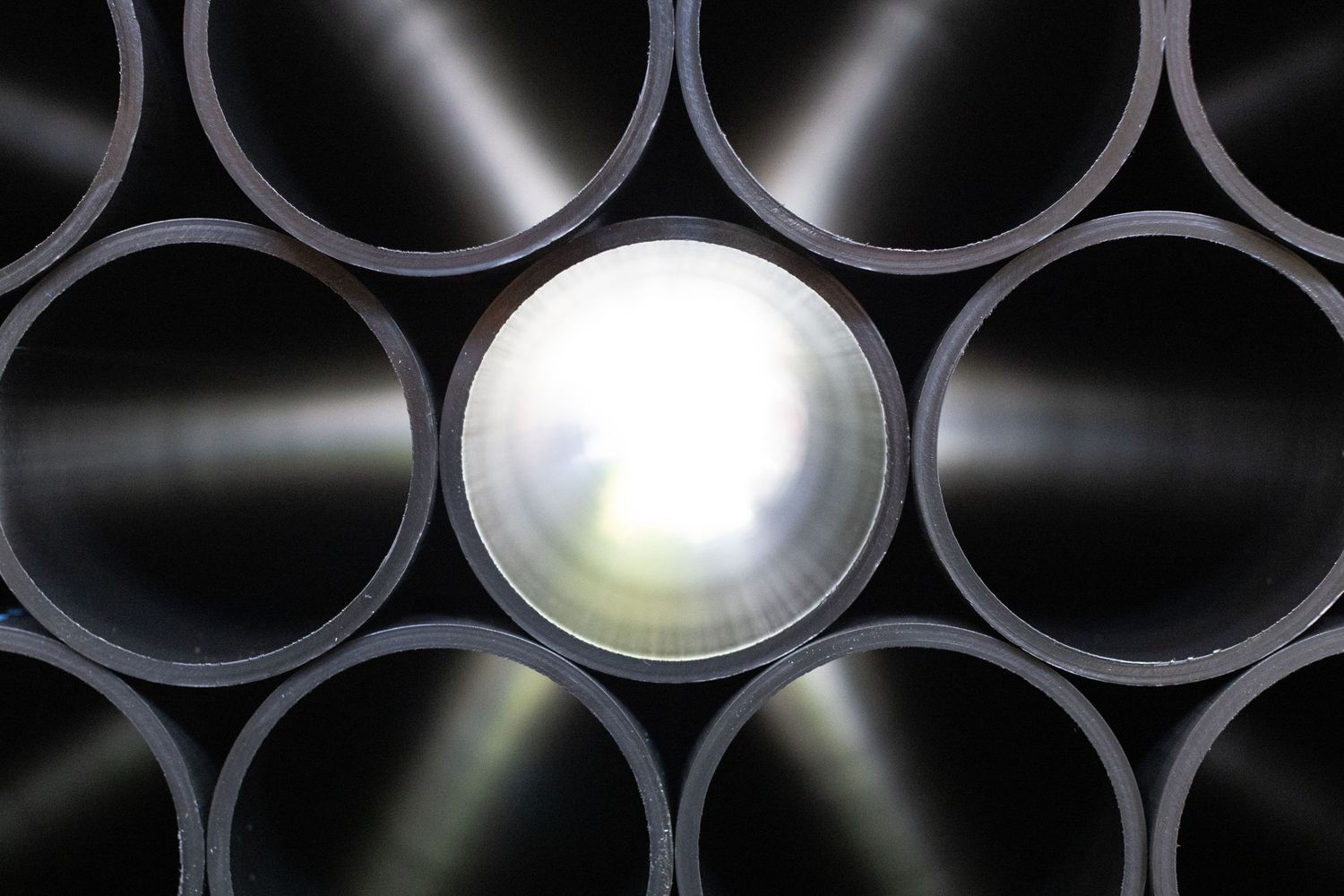
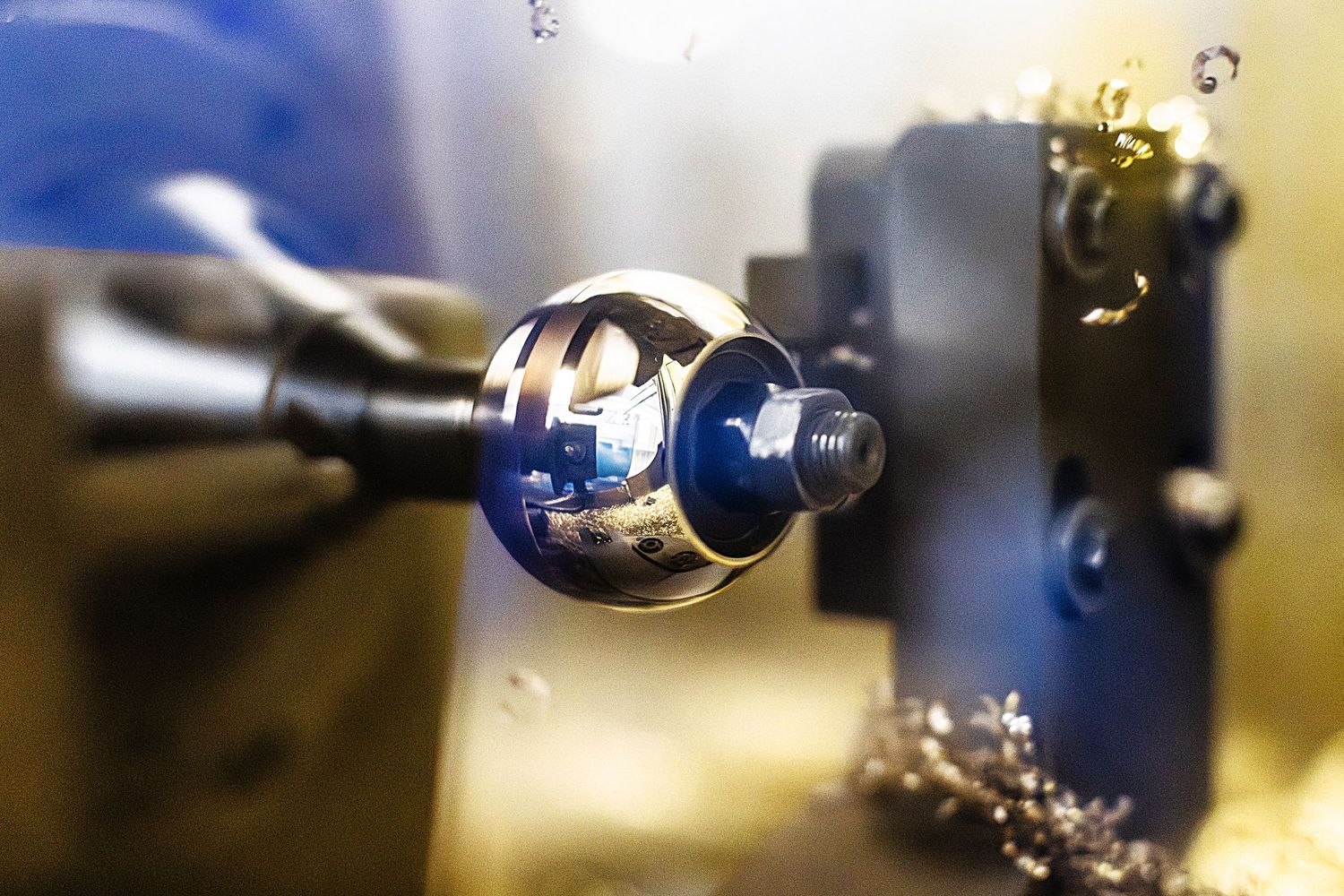
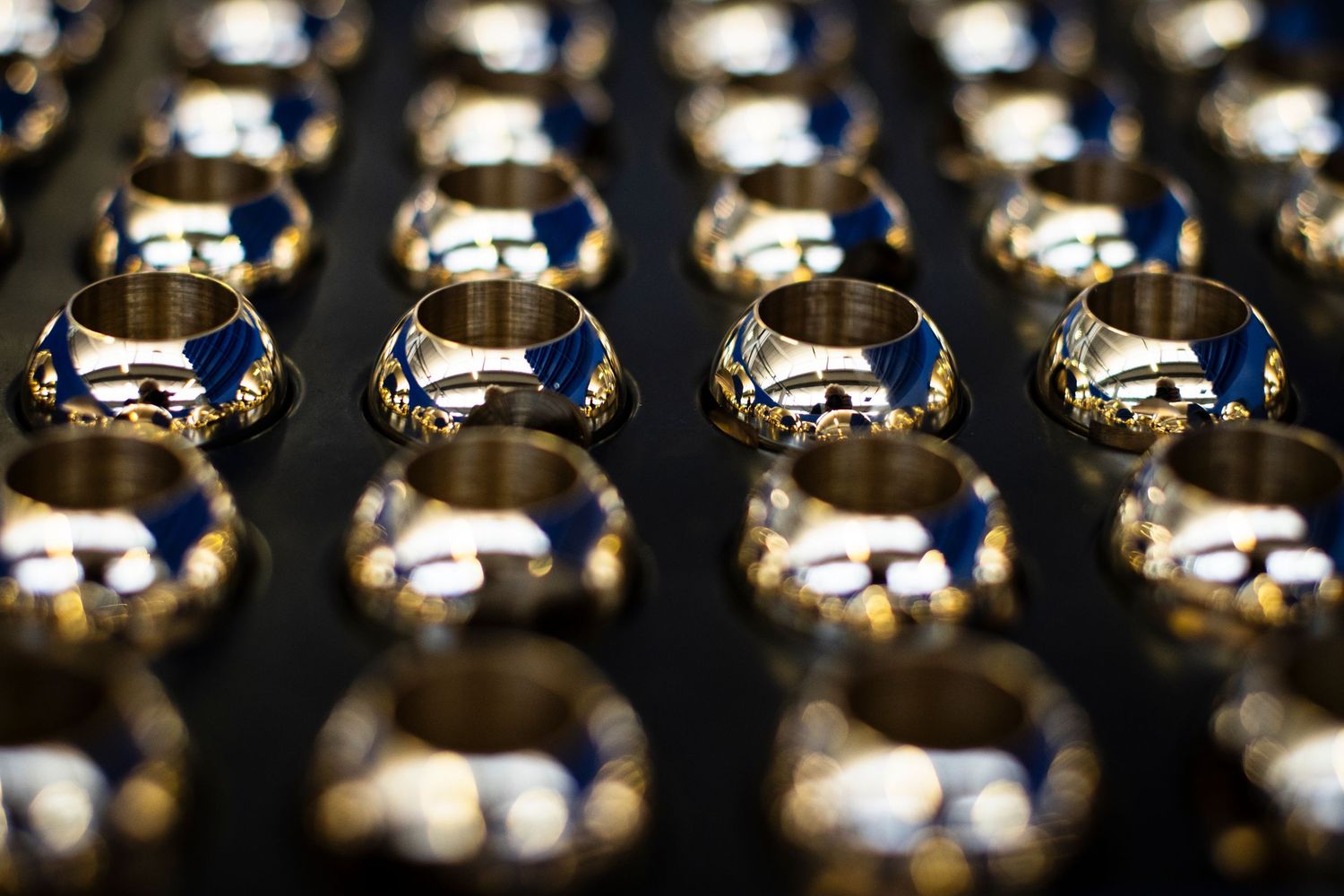
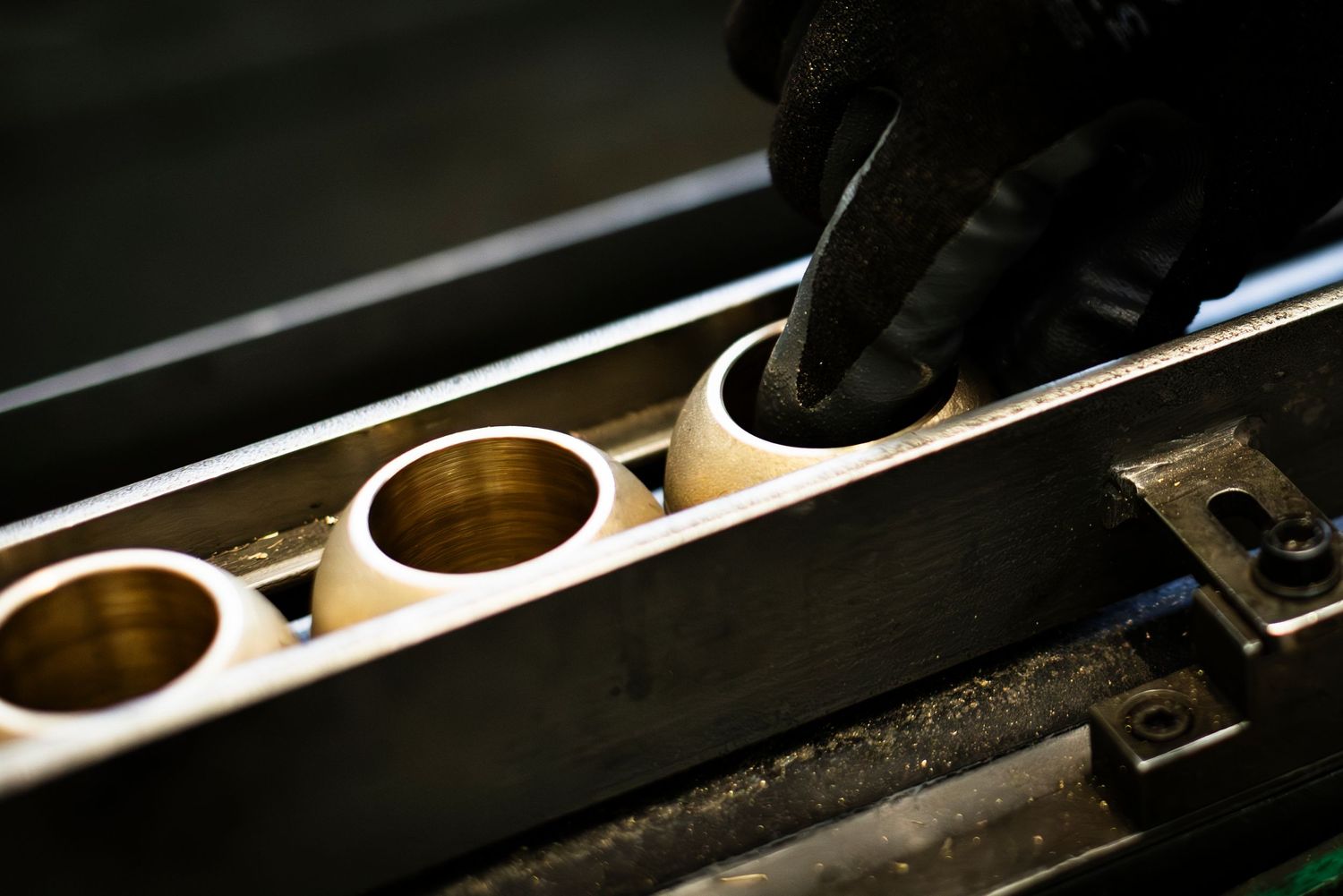
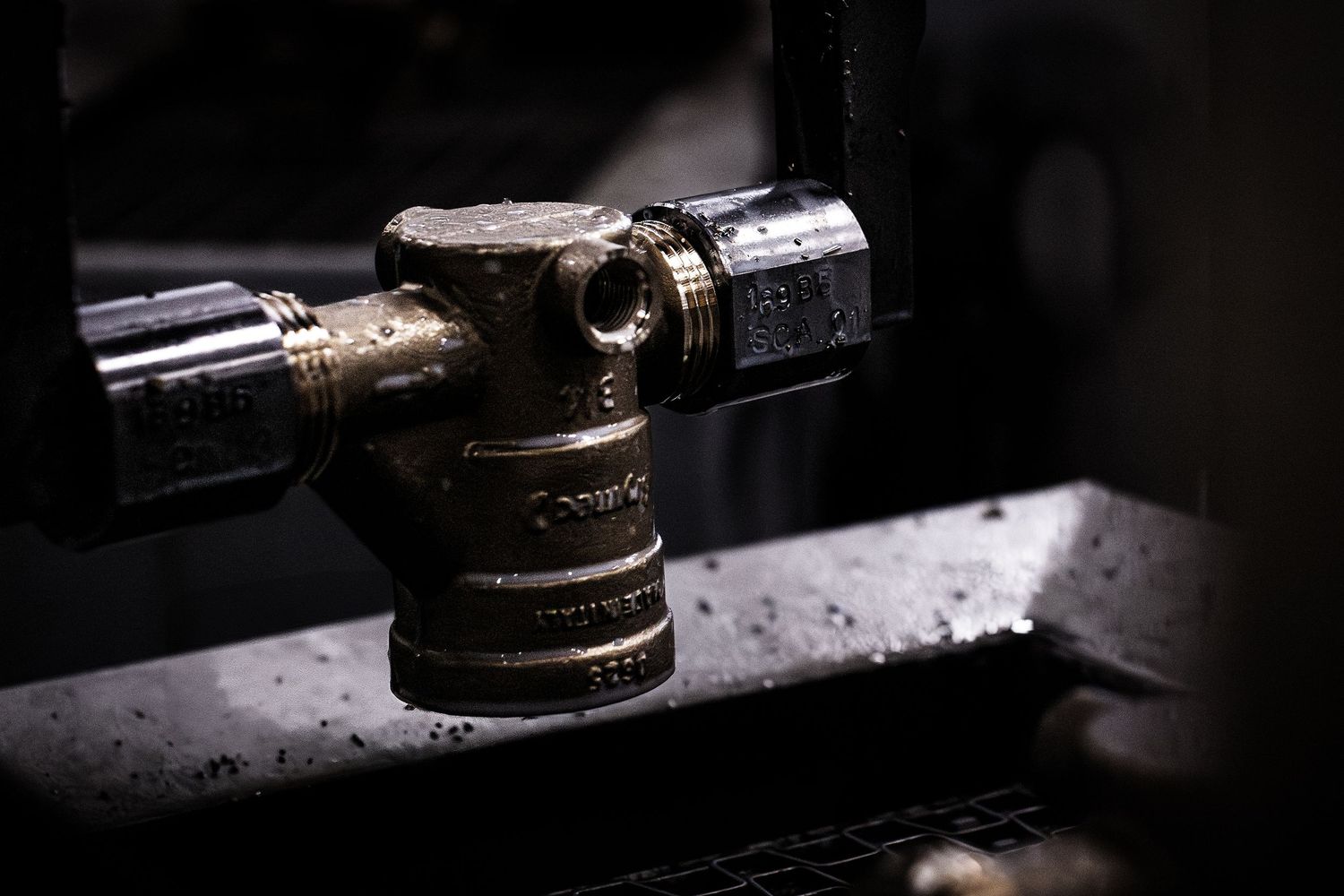
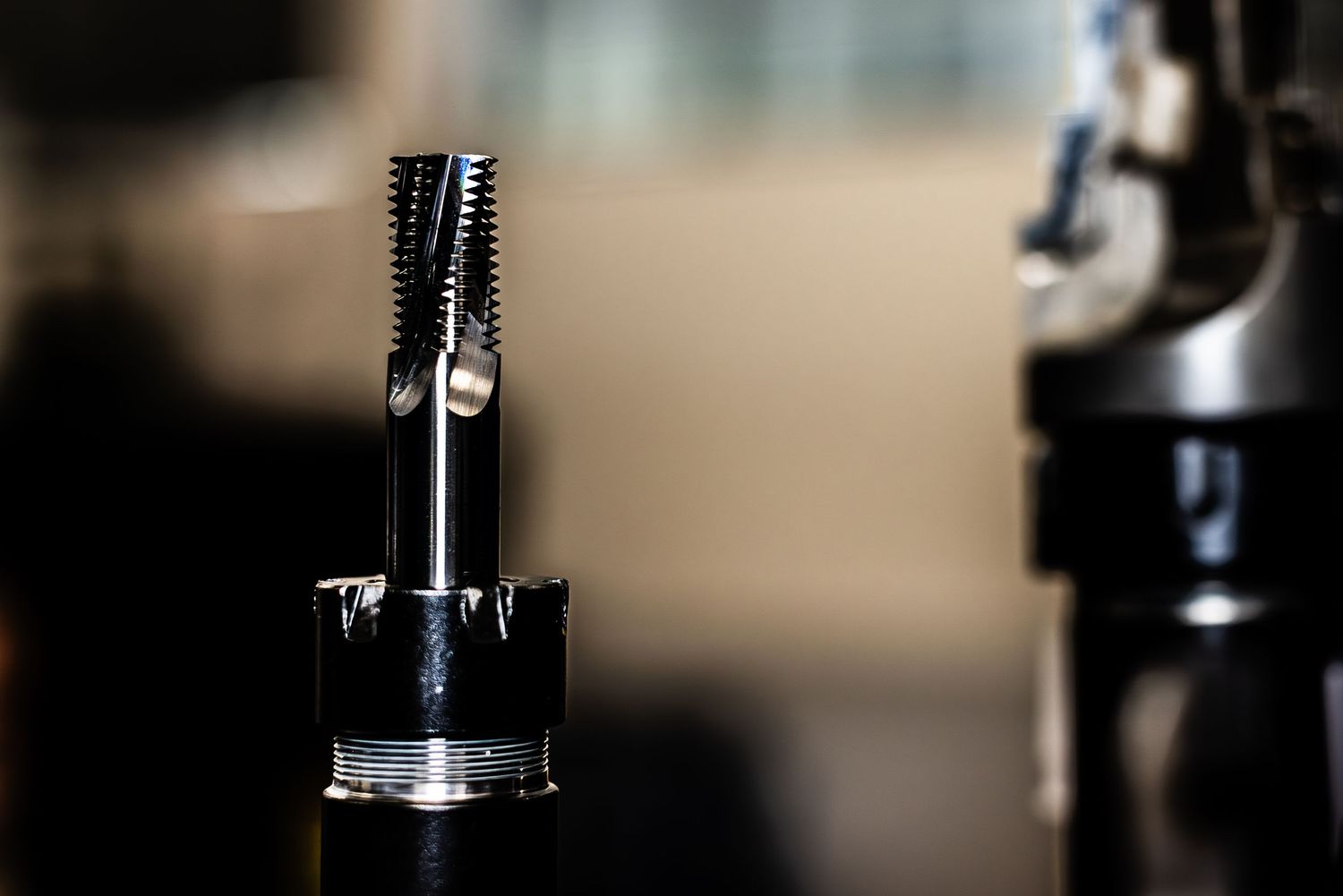
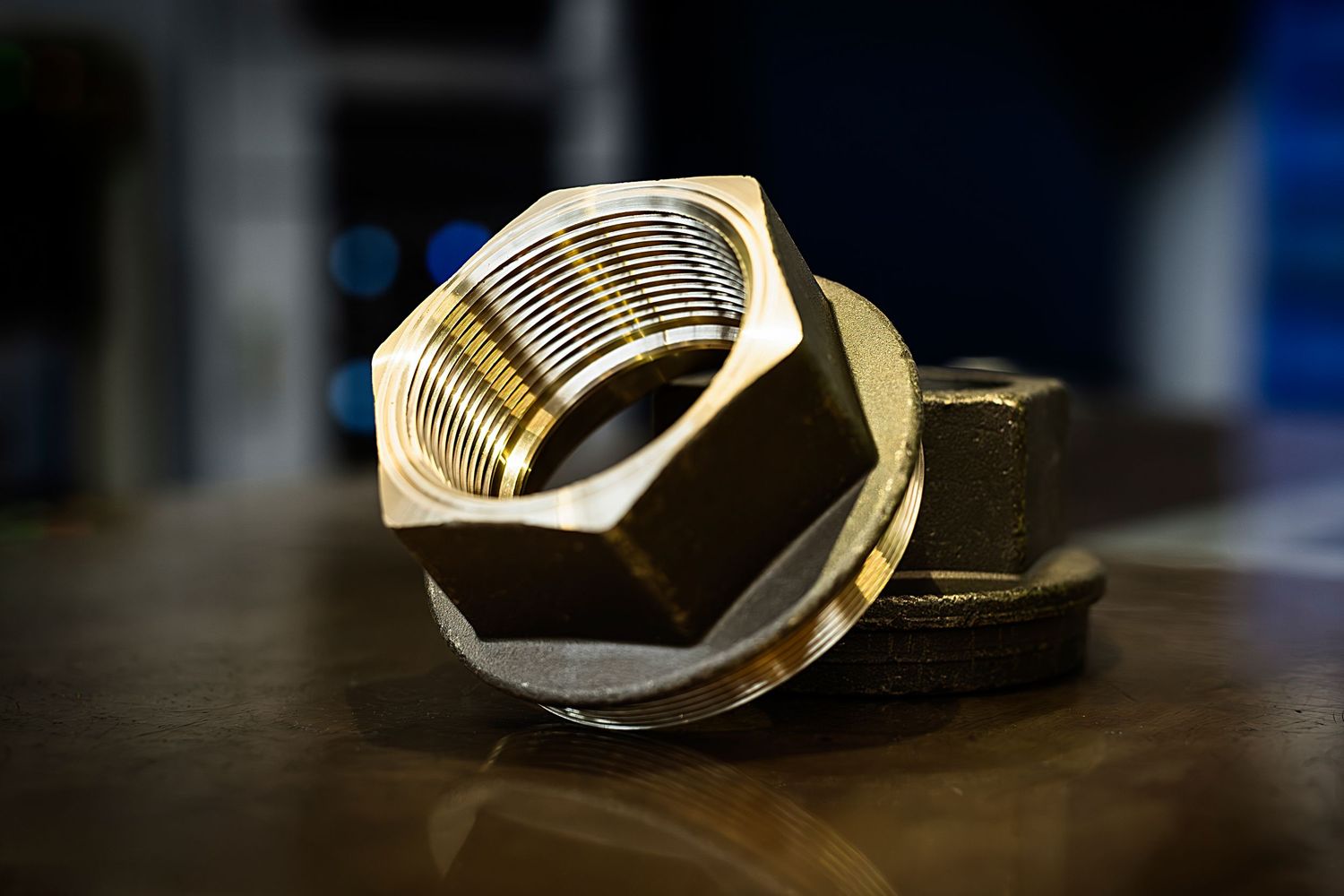
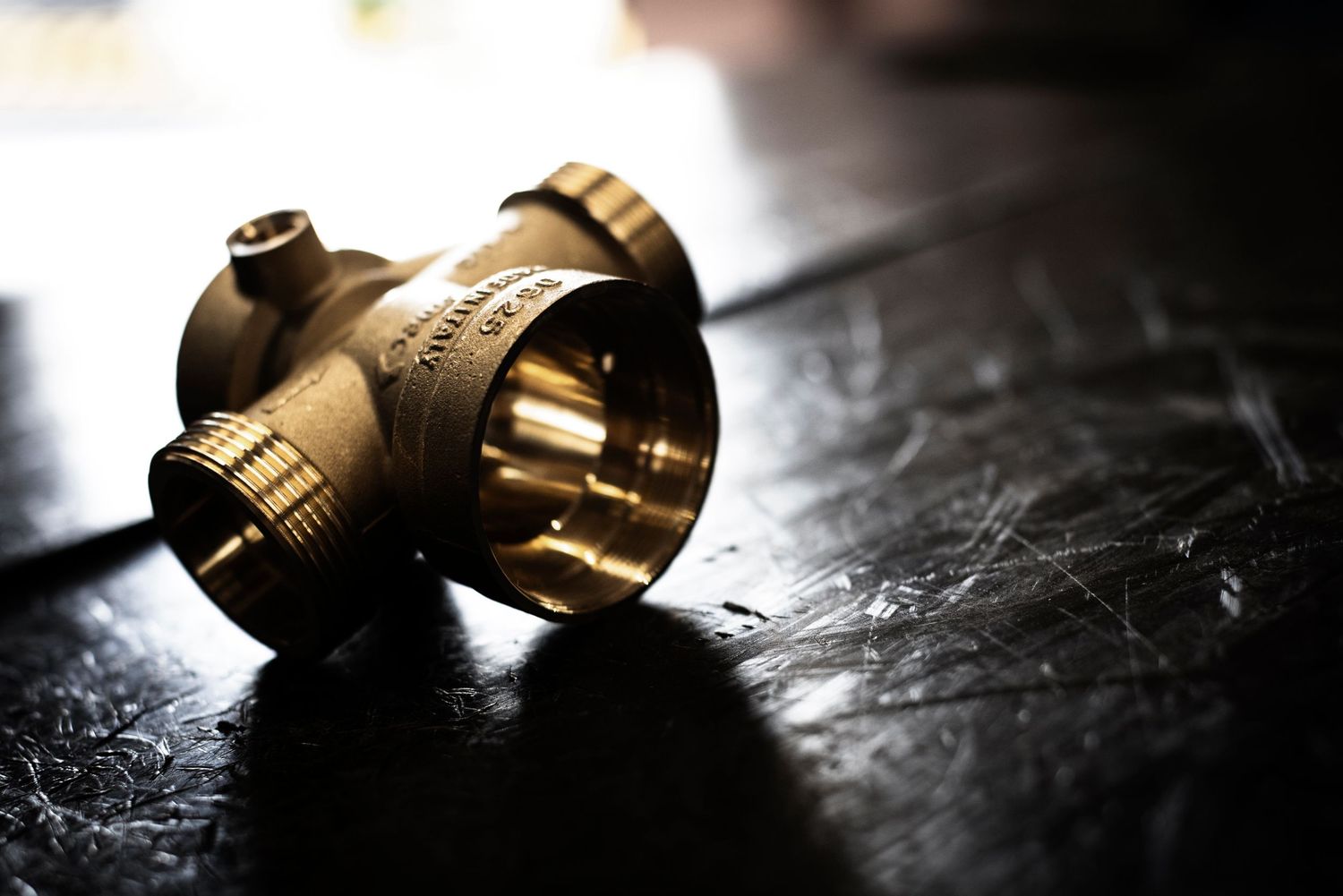
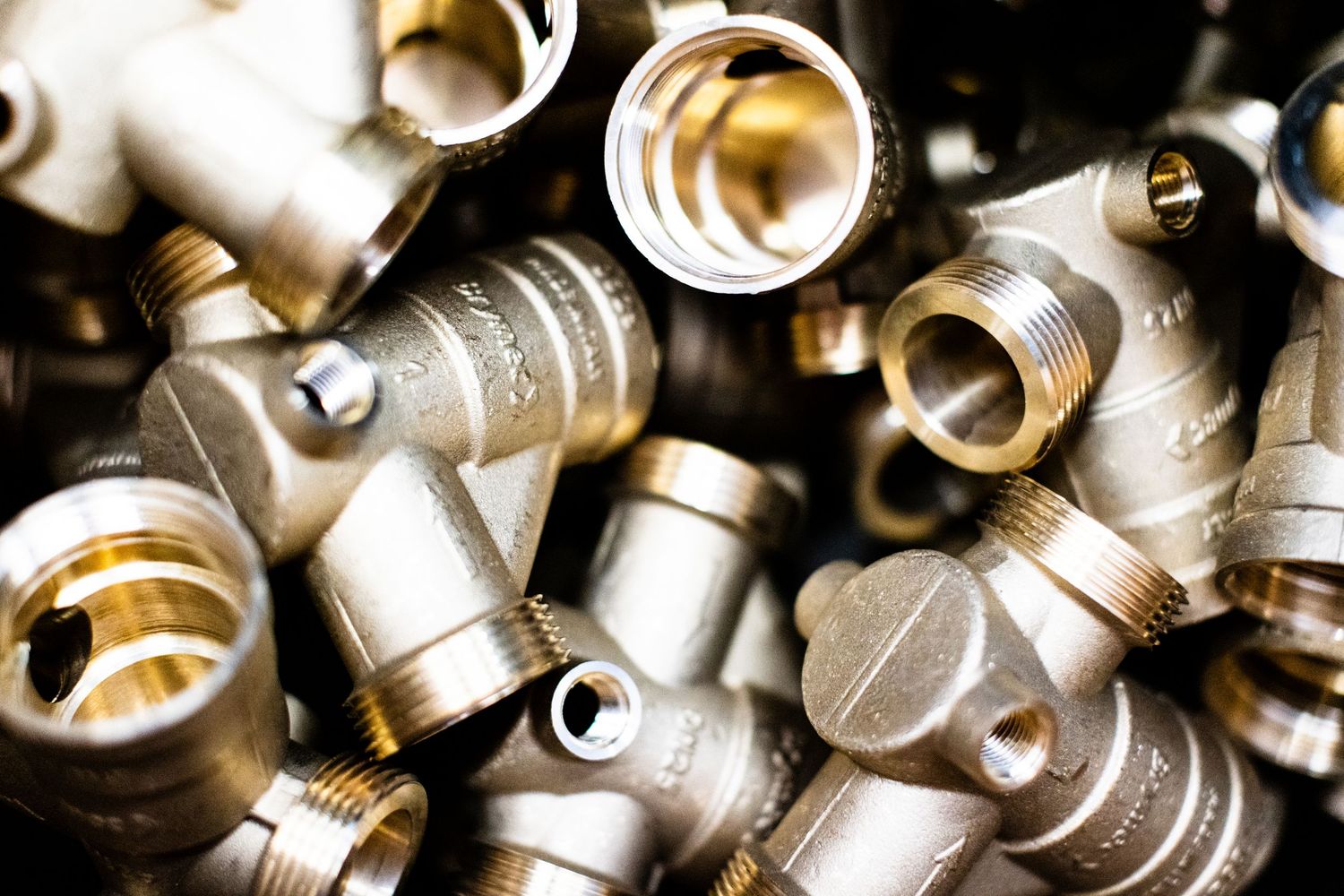
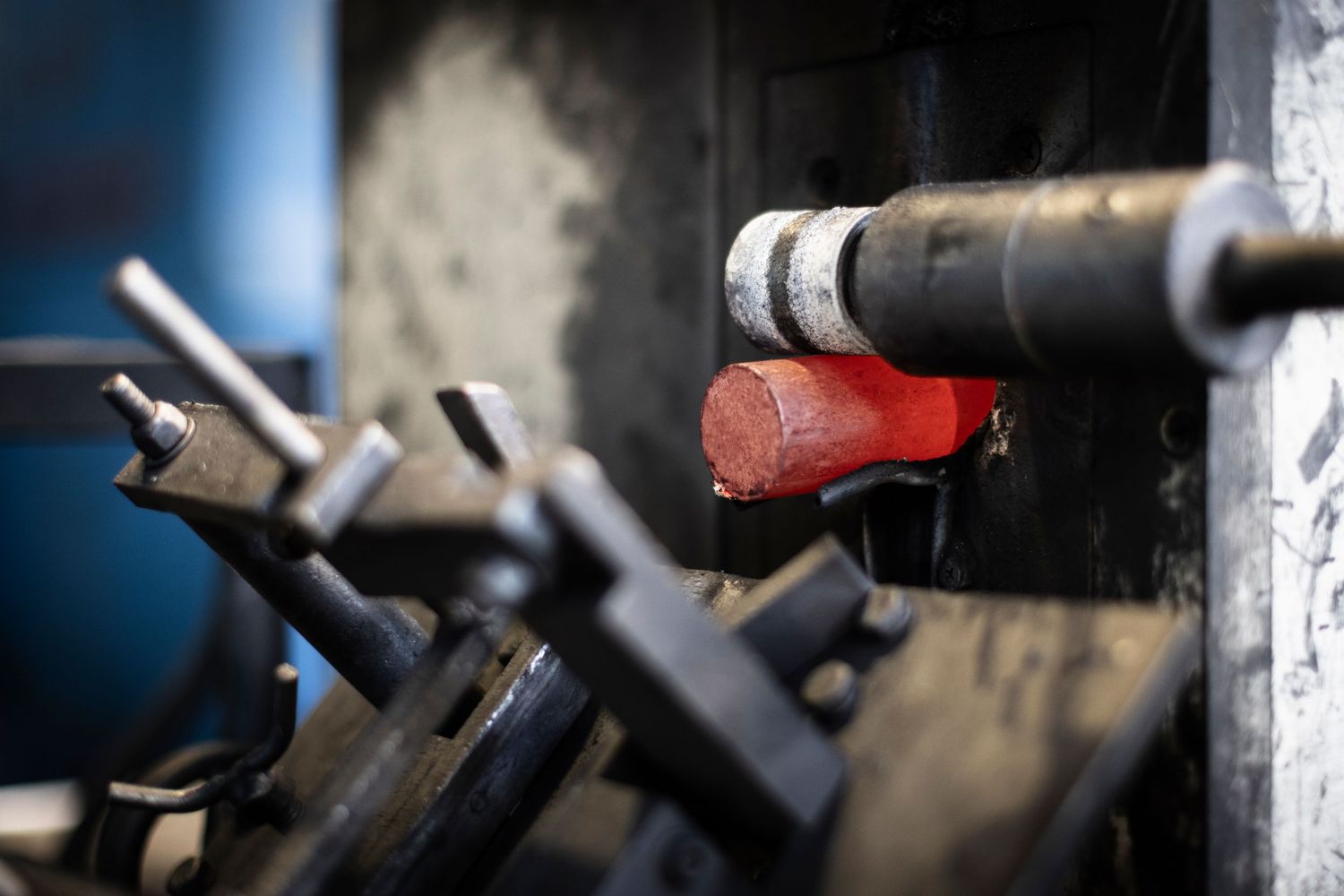
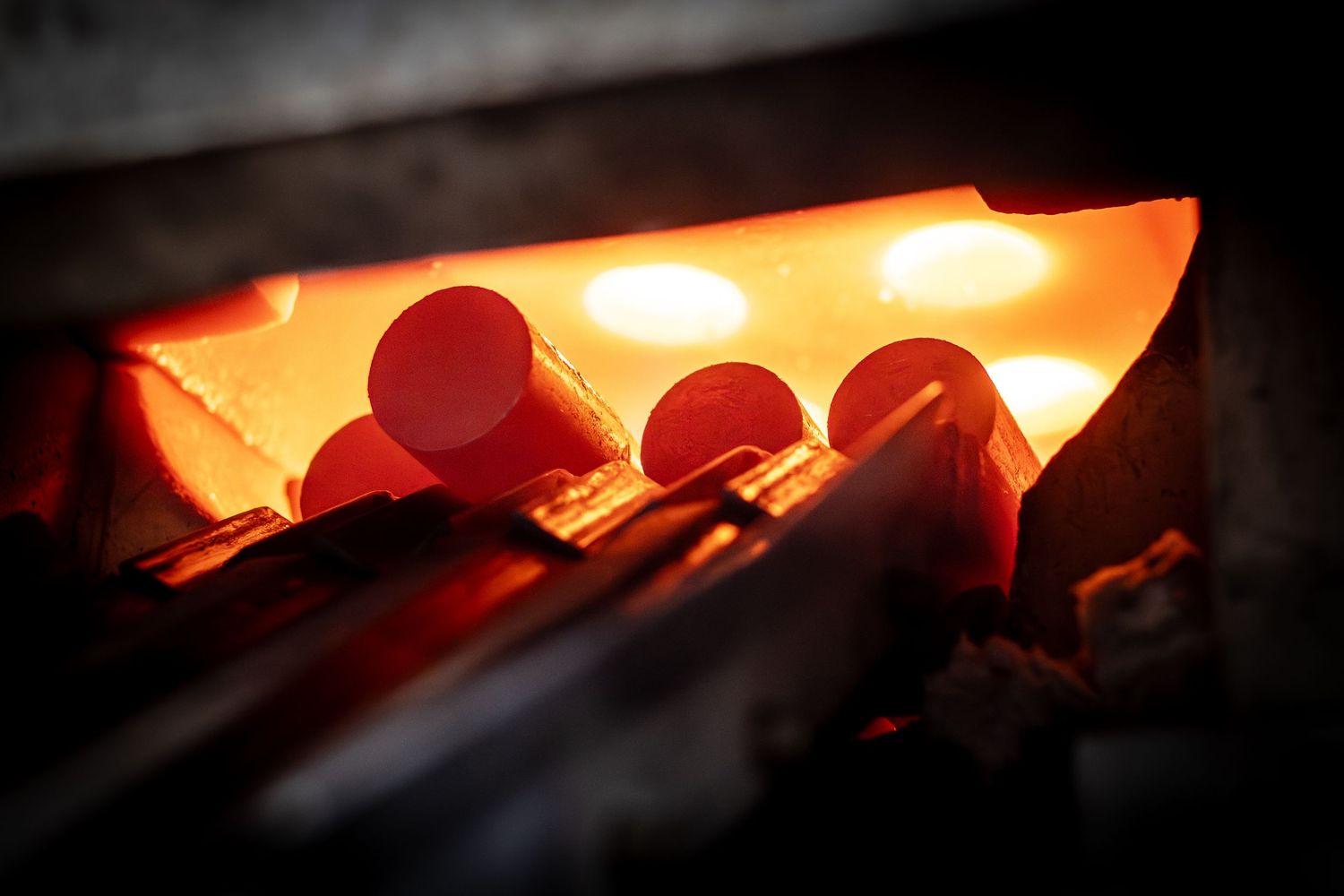
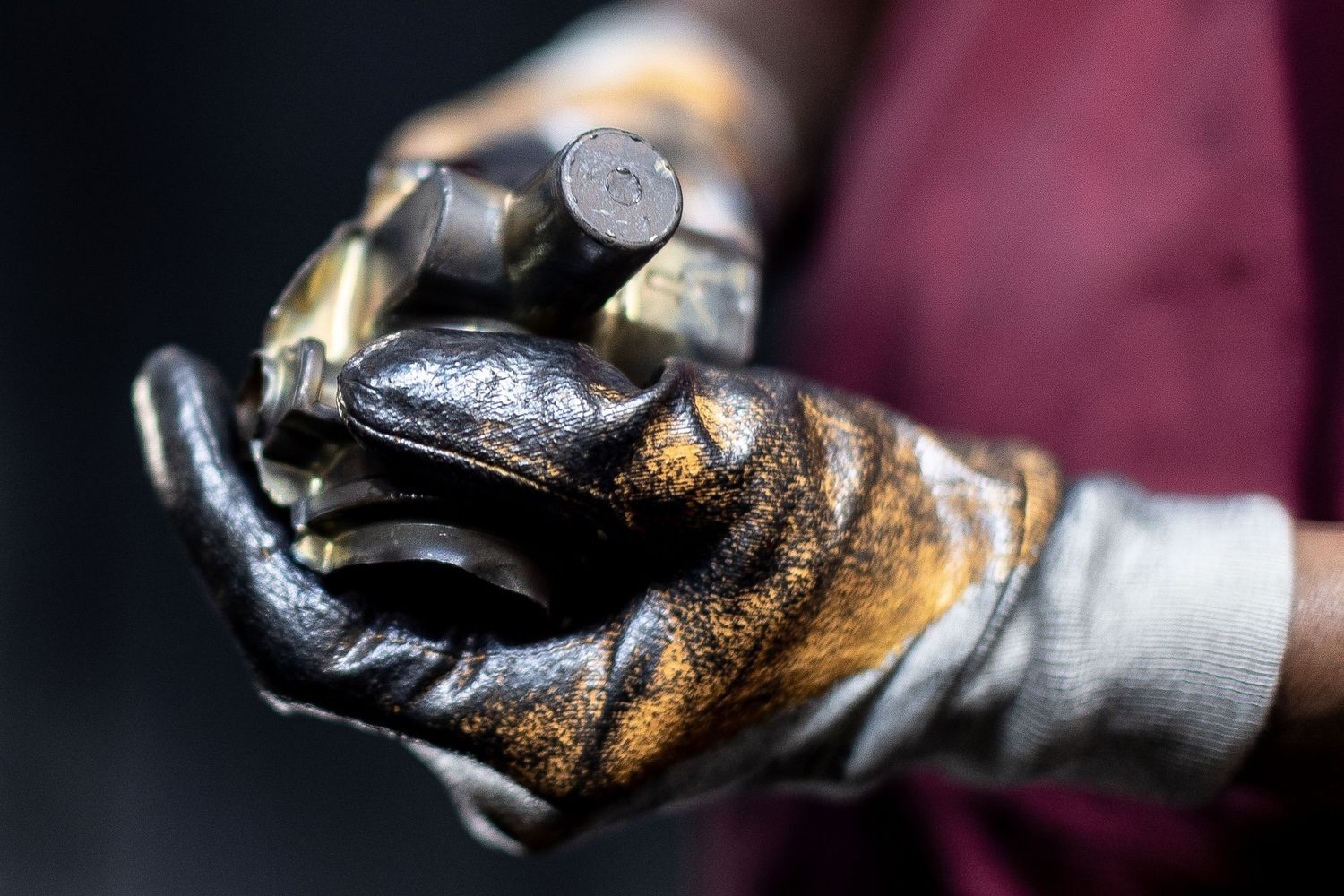
Big wide-angle shots of the production line are great but the real story often lies is in the craft, the hands, the face, the detail.
I go closer. I take time to understand the process before I photograph it. I look for the moments that show what your people actually do and how well they do it.
 
What I document.
 
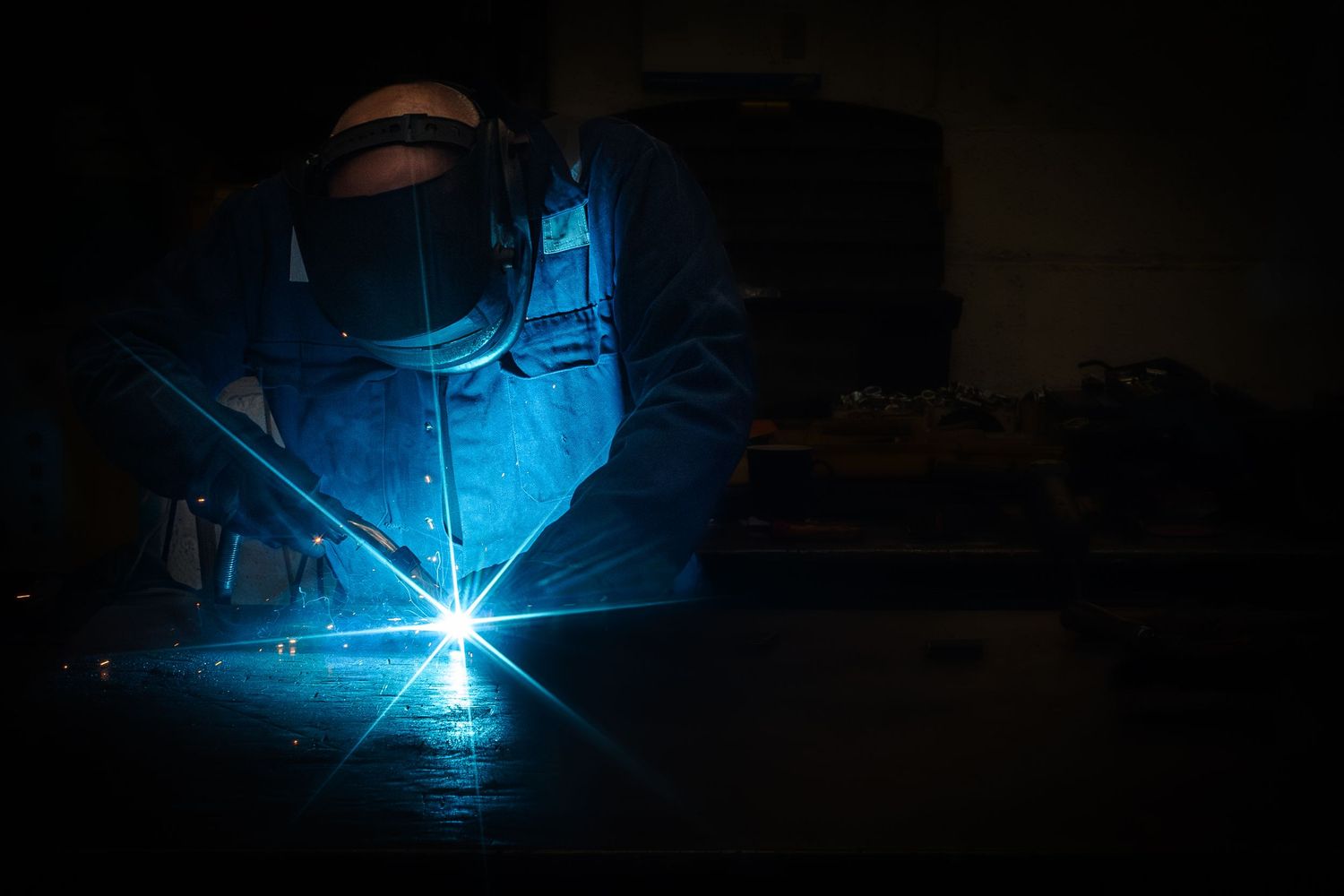
People — the specialists, the apprentices, the teams who make it all work.
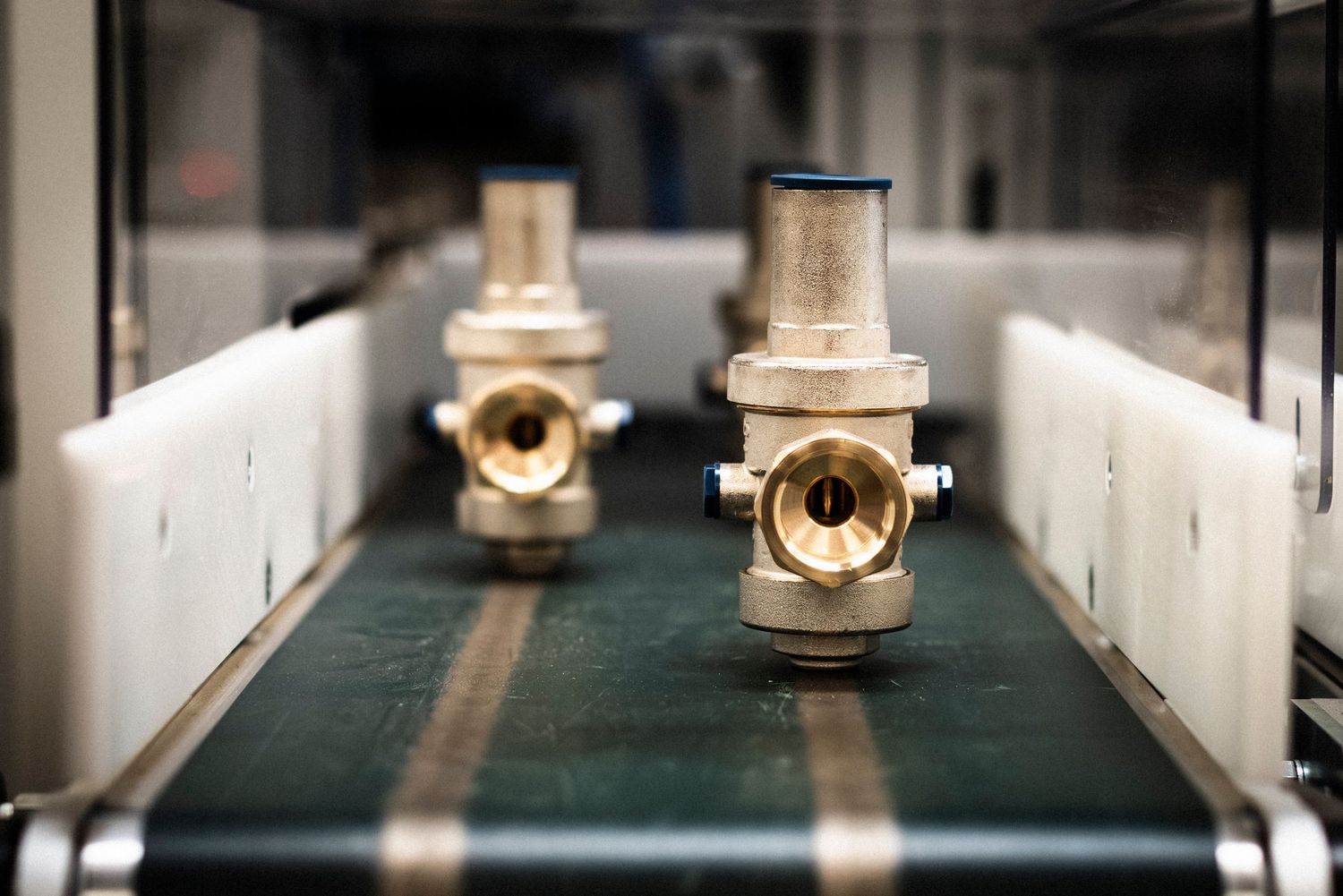
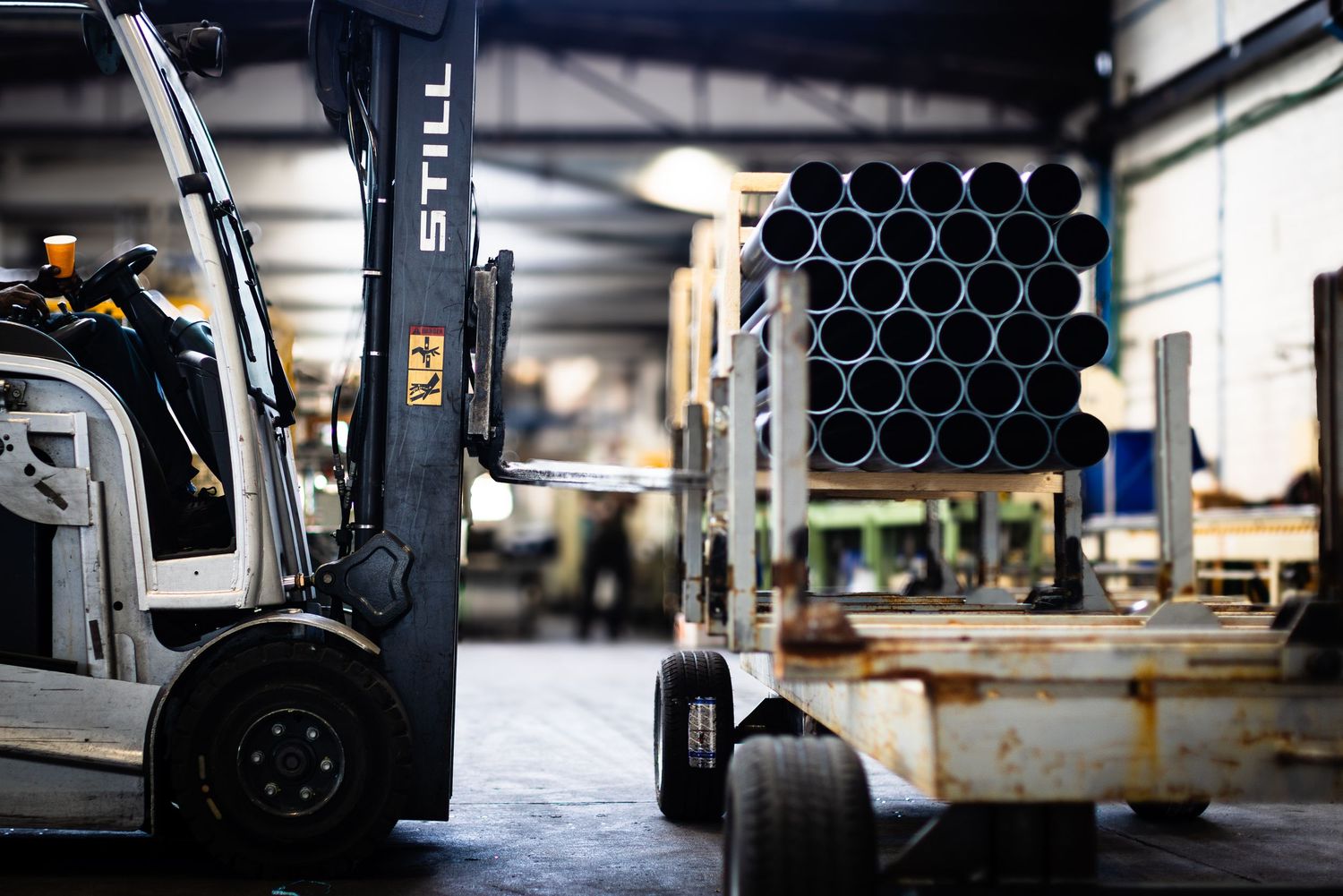
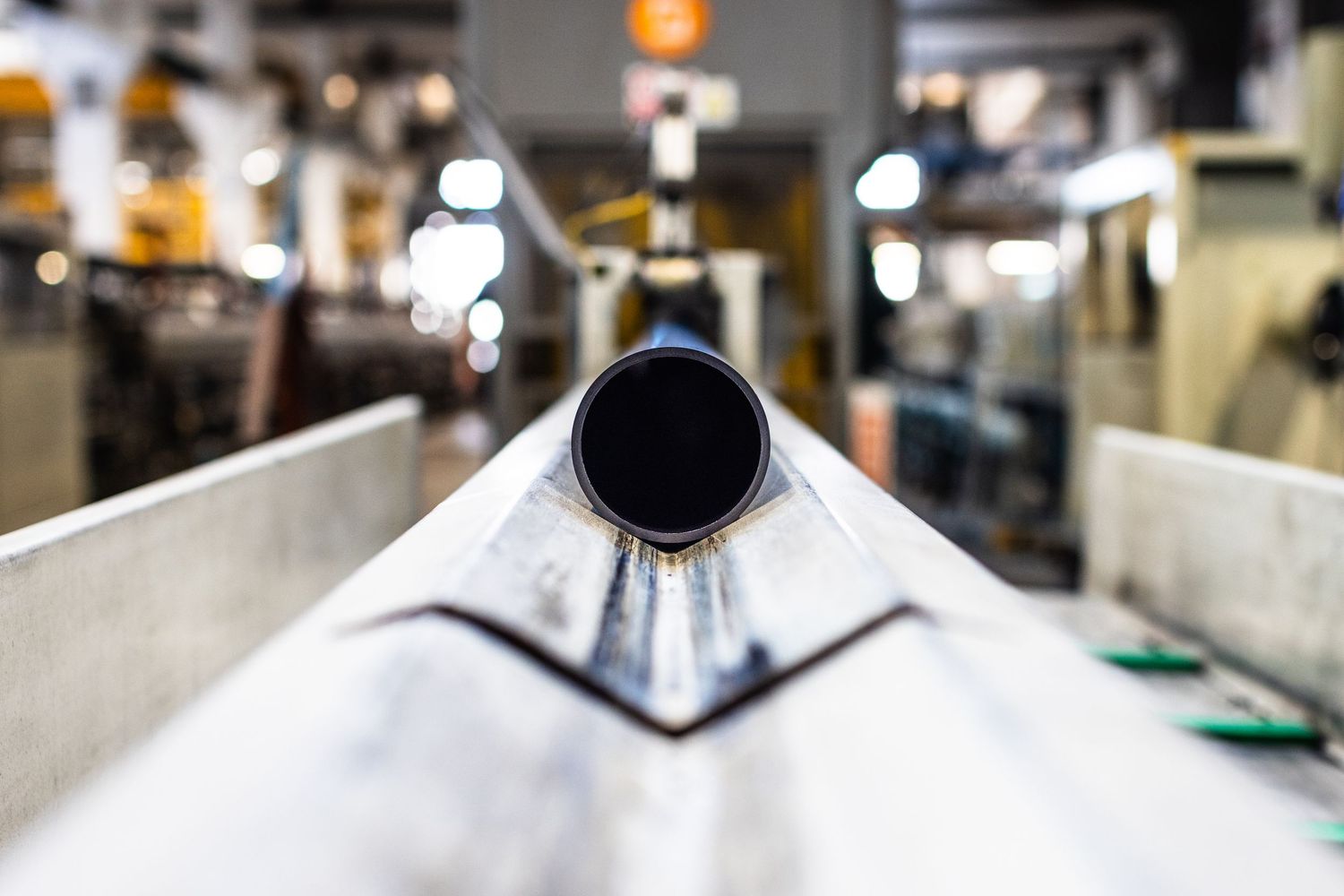
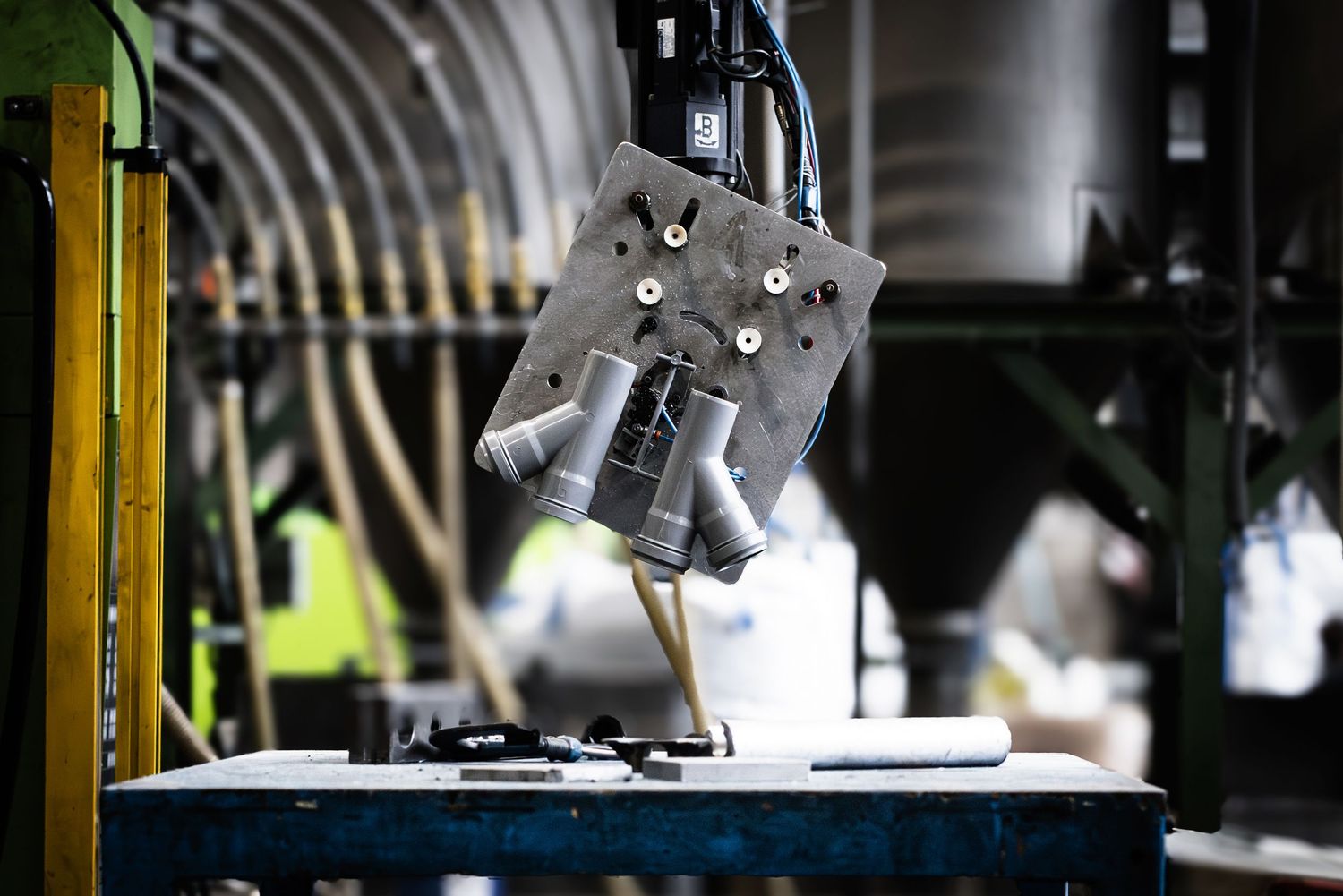
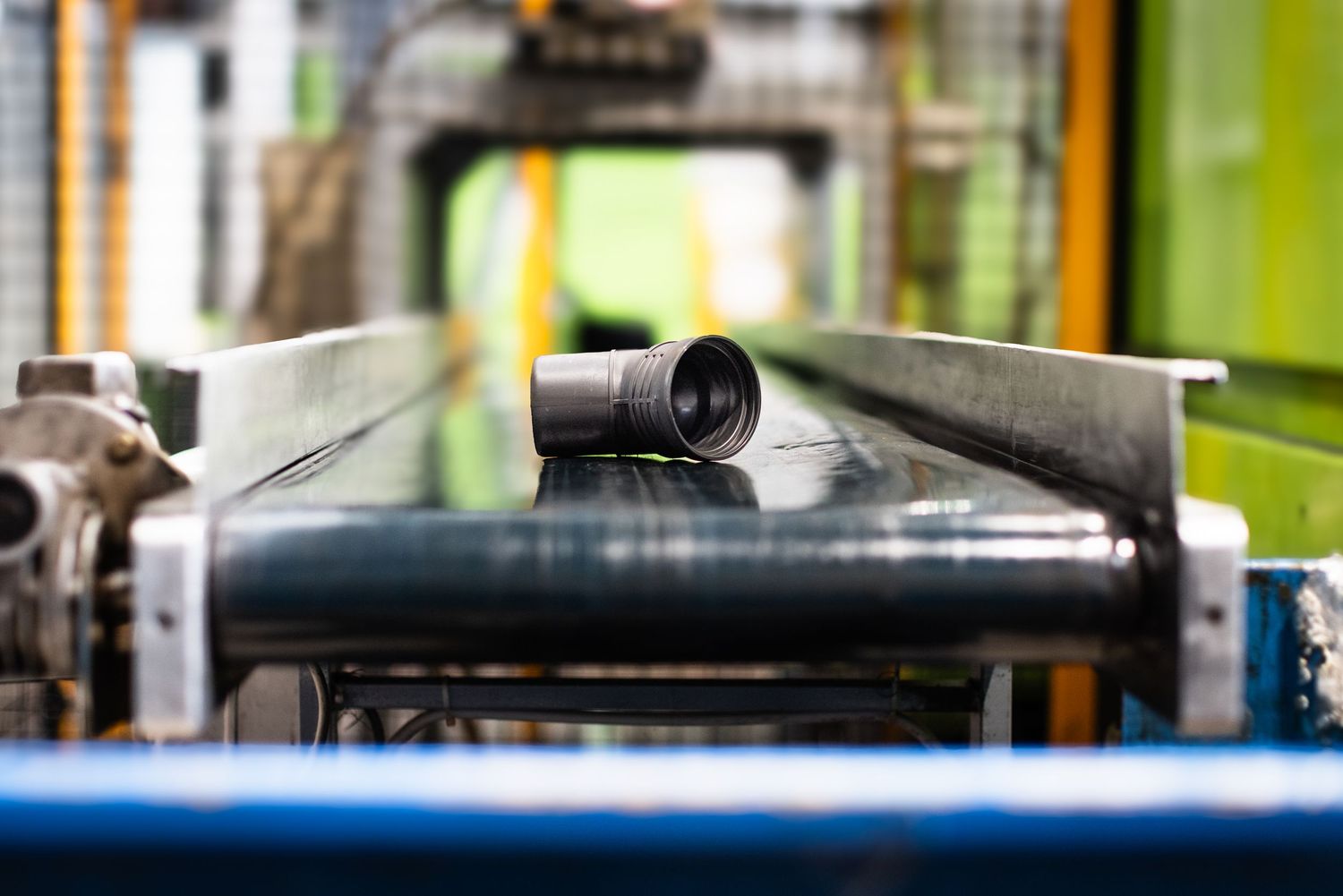
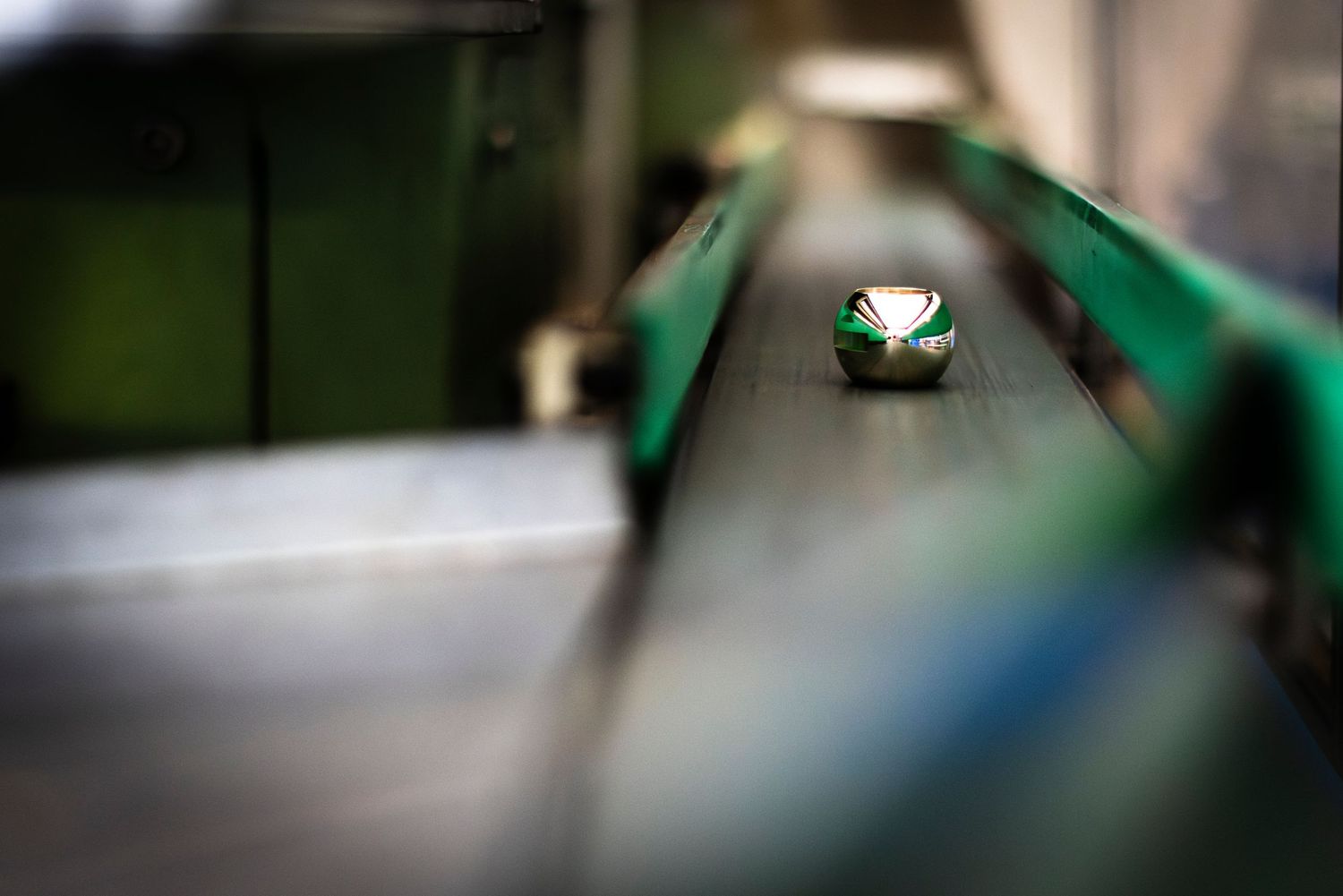
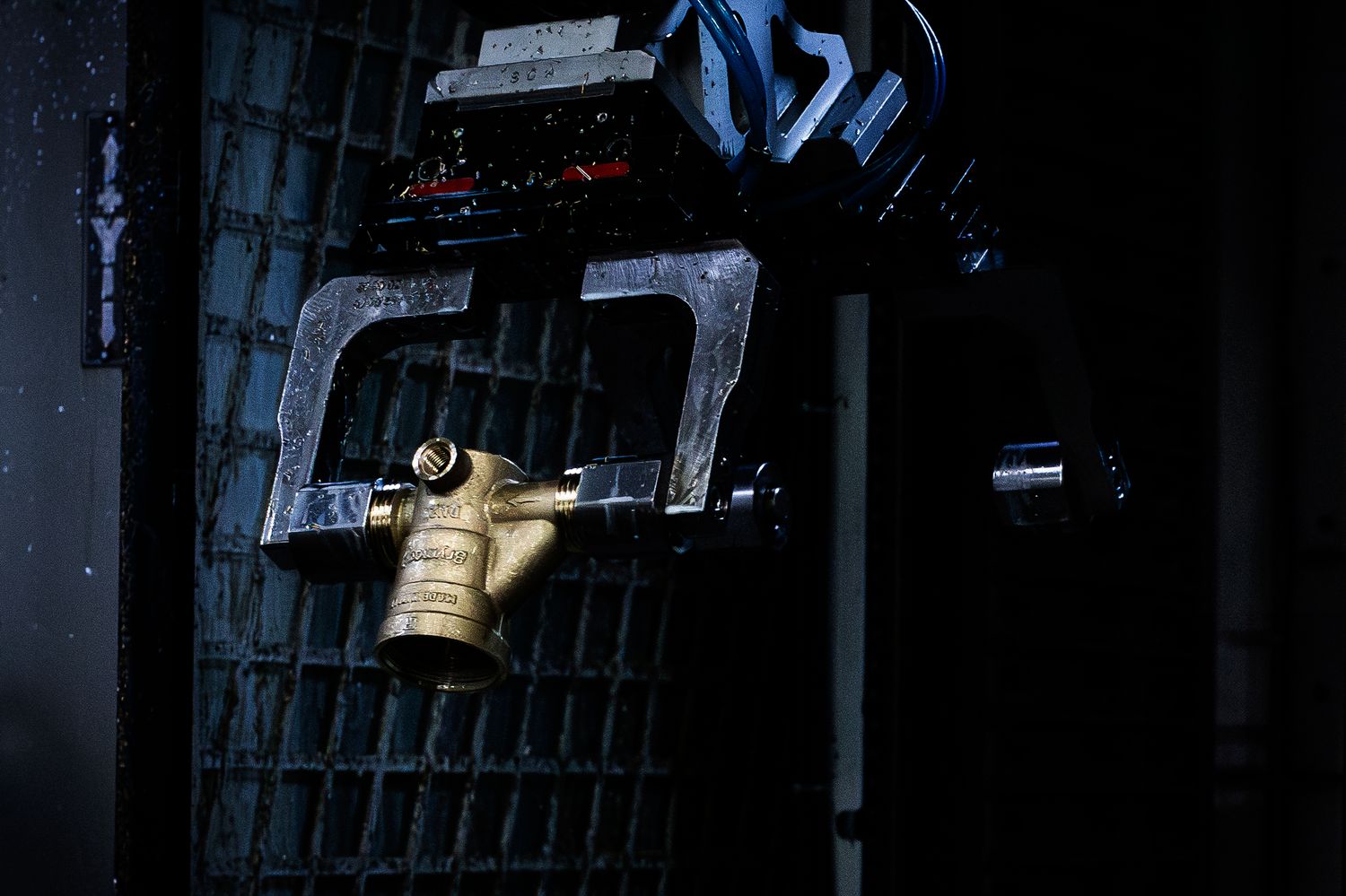
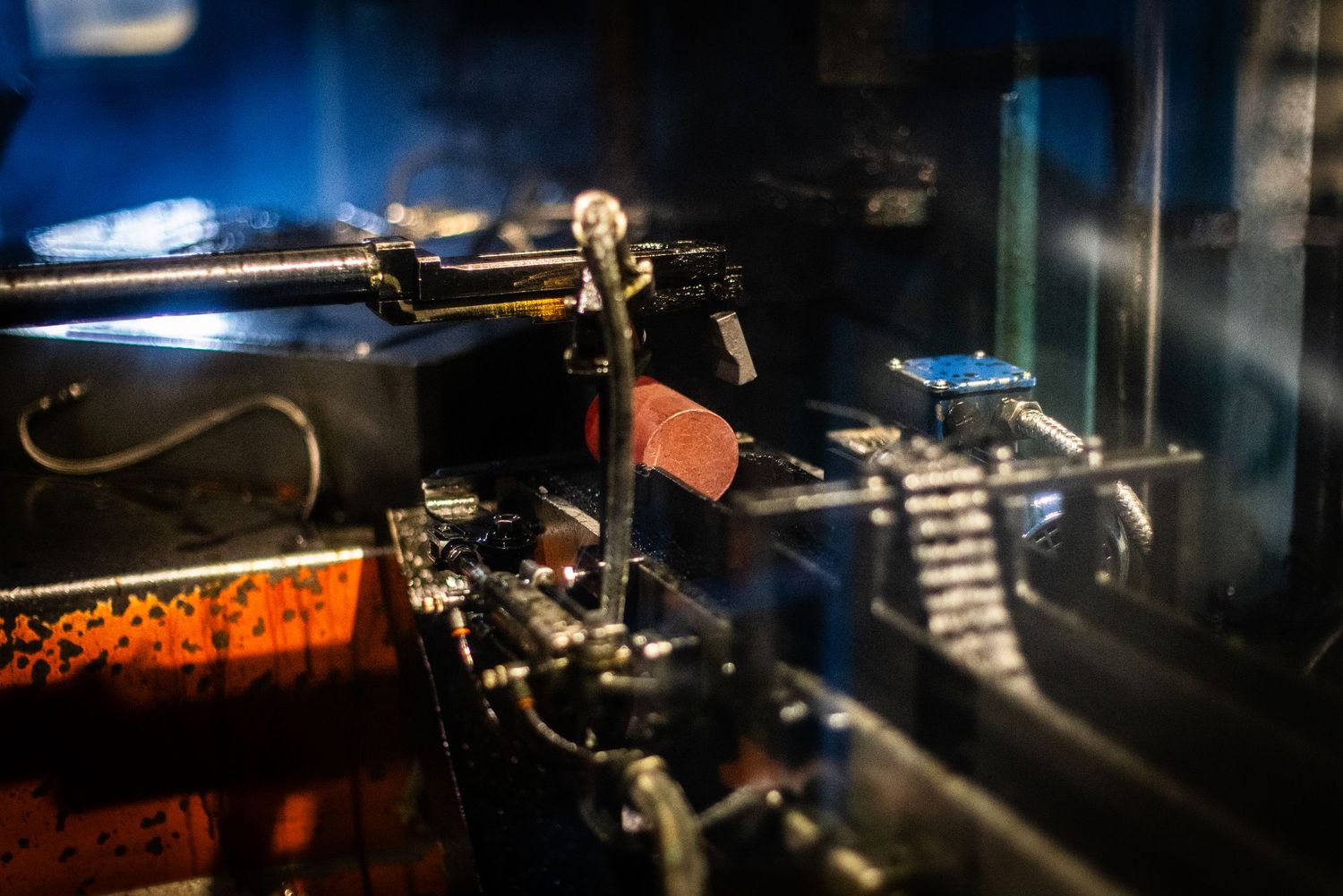
Manufacturing processes — production lines, assembly, quality control, testing, dispatch.
Engineering and fabrication — welding, machining, precision engineering, design and build.
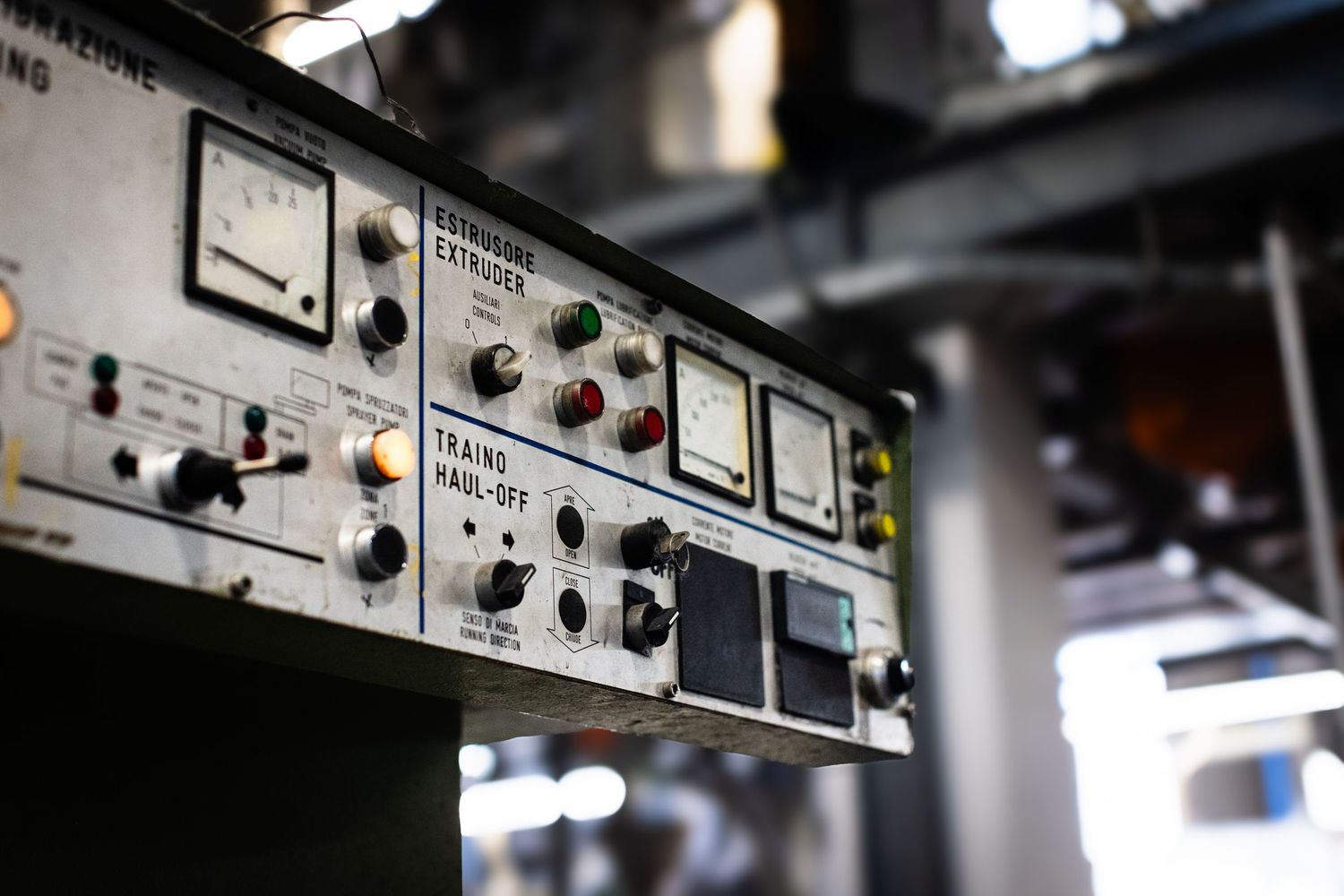
Facilities and equipment — the scale and capability of your operation.
Health, safety and standards — the culture of doing things properly.
Why industry photography matters.
 
Your factory floor is a better sales tool than you probably realise. Clients offering significant contracts want to know how the operation works. They want to see behind the scenes.
They want to see the scale, the capability, the standards — and the people responsible for them.
Professional industrial photography gives them that confidence before they've even had a first meeting. It says: this is a serious operation. We know what we're doing.
It also works for recruitment, stakeholder communications, tender submissions, annual reports and ESG documentation.
Safe pair of hands.
 
I've spent years photographing industrial environments. I understand PPE requirements, health and safety and how to get the shots without getting in the way of operations.
You won't need to babysit me or stop the line for the camera.
Not sure where to start?
Drop me your email and I'll send a free shoot planning guide. It covers what to shoot, how to brief a photographer and what most companies get wrong.